€300,000 Pre-Seed Investment Propels Croatian Startup Toward European Reentry Spacecraft Development
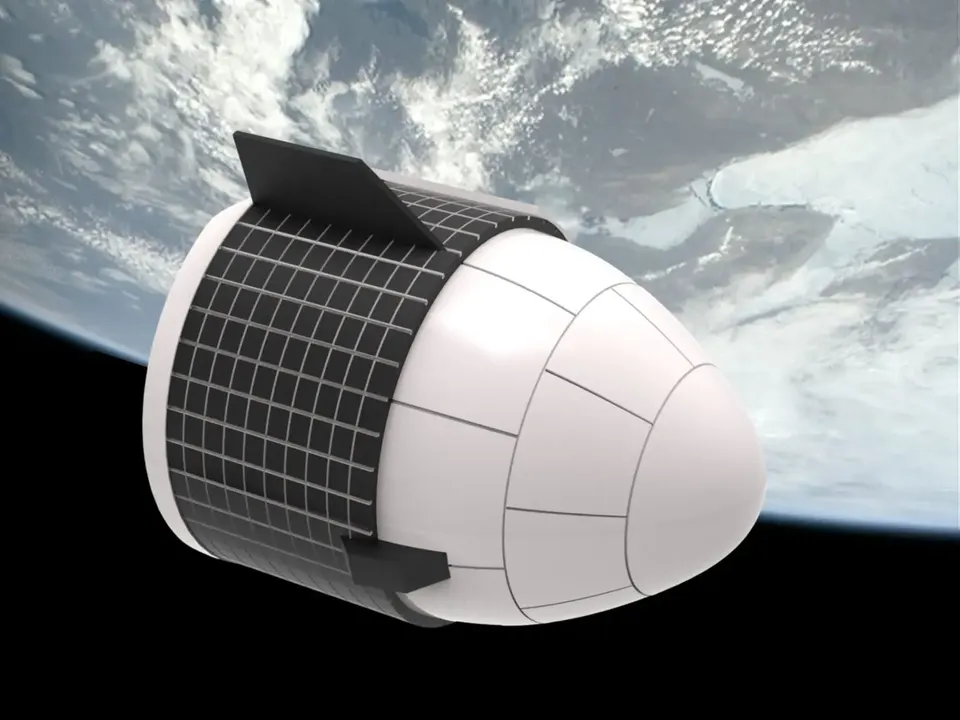
Genesis Space Flight Laboratories has secured a €300,000 pre-seed investment from Fil Rouge Capital to kickstart development of GEN, a European reentry spacecraft designed for frequent, retrievable microgravity research missions.
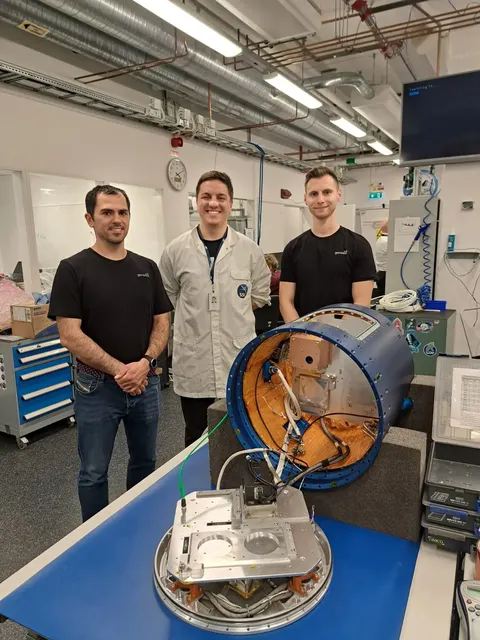
The funding will support the in-house development of GEN’s reentry capsule and service module at the company’s facility in Čakovec’s Technology Innovation Centre Međimurje, where work has already begun on the vehicle’s structure, subsystem design, and a proprietary hybrid retro propulsion system powered by wax and nitrous oxide.
Led by a founding team with over a decade of experience in laboratory systems and supported by propulsion experts with more than 30 years of heritage in spacecraft engine design, Genesis aims to lower the barriers to space-based life science and materials research by offering a cost-effective, return-capable alternative to traditional orbital platforms.
The GEN spacecraft is designed to operate as an autonomous free-flyer, capable of conducting missions independently of space stations. With the planned deorbiting of the International Space Station in the coming years, GEN offers a European path forward for continuing vital microgravity experiments, including pharmaceutical research, biotechnology studies, and advanced materials testing.
“We believe space research should be as routine and accessible as booking a round-trip flight,” said Bence Mátyás, founder and CEO of Genesis.
“With GEN, we’re building the missing link between Earth orbit and the scientific community, enabling important discoveries in pharmaceuticals and materials. As the ISS approaches deorbit, we felt it was our responsibility to provide an autonomous alternative, one that supports more frequent missions without the need for astronaut intervention, while keeping each launch within a reasonable budget.”
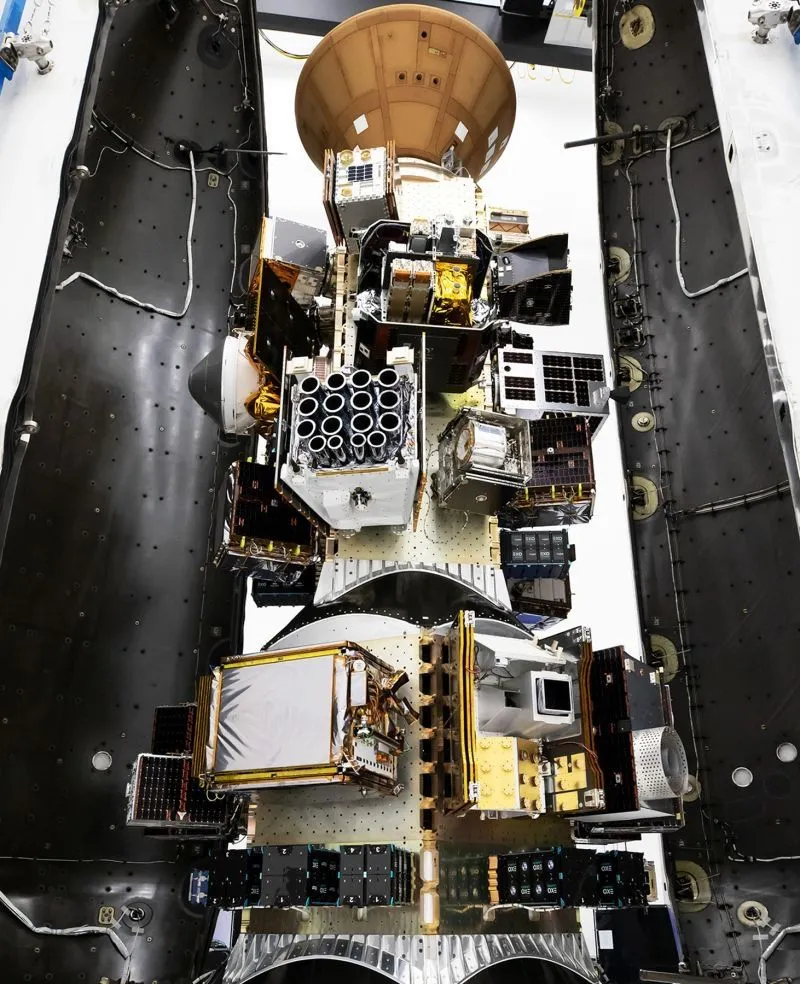
Genesis previously coordinated the MayaSat-1 mission, a biological incubator that launched aboard SpaceX’s Transporter-14 rideshare in June 2025, carrying hundreds of samples from researchers across seven countries. The new funding enables the team to shift from payload integration to full spacecraft manufacturing.
The next mission will test the GEN demonstrator, a sub-100 kg reentry capsule, with a launch targeted for 2027. This mission will validate the deorbit retro engine, reentry performance, and payload recovery, demonstrating the full customer experience from launch to return. Starting with smaller vehicles allows for more frequent testing before scaling up the platform. These iterative tests not only accelerate technology validation but also offer customers regular launch opportunities and timely sample return capabilities.
Following the successful close of the pre-seed round, the team is now back in the lab, advancing hybrid engine development and preparing for its next fundraising milestone: a seed round to finalize subsystem test campaigns.