LATEST
AIPAC Suffers Major Defeat as Michigan Elects a Champion of Palestinian RightsGaza Devastation Exposes Limits of Proposed US Aid Cut to IsraelGhana’s “Libraries Without Walls Mobile Literacy & Creativity Hub: Reimagining Education Through Creativity, Culture & Community” Receives Recognition from UNAOC-BMW Group’s Intercultural Innovation HubNigeria’s “Interactive Theatre for Gender Equality and Women Empowerment” Receives Recognition from UNAOC-BMW Group’s Intercultural Innovation HubSouth Africa’s “nniChat App Dialogues for an Inclusive Society: Youth on Xenophobia and Inclusion” Receives Recognition from UNAOC-BMW Group’s Intercultural Innovation Hub21X AG and LayerZero Deliver Institutional-Grade Onchain Trading Pilot on Private-Permissioned Deployment of ZeroAtlantic Canada’s RFINE Launches KAFFIKA®, a Gluten-Free Cocoa Extender from Brewed Coffee Grounds That Replaces up to 60% of Cocoa PowderVIVA In Vitro Diagnostics and ASKA Biotech Announce Strategic Partnership to Advance VIVA-ELISA® IndustrializationThree Years After the Gaza D Notice Britain Still Faces Questions Over Its Secret Military RoleUNAOC and the BMW Group, with the Support of Accenture, Honour 10 Grassroots Organizations as Recipients of the Intercultural Innovation Hub 2026AIPAC Suffers Major Defeat as Michigan Elects a Champion of Palestinian RightsGaza Devastation Exposes Limits of Proposed US Aid Cut to IsraelGhana’s “Libraries Without Walls Mobile Literacy & Creativity Hub: Reimagining Education Through Creativity, Culture & Community” Receives Recognition from UNAOC-BMW Group’s Intercultural Innovation HubNigeria’s “Interactive Theatre for Gender Equality and Women Empowerment” Receives Recognition from UNAOC-BMW Group’s Intercultural Innovation HubSouth Africa’s “nniChat App Dialogues for an Inclusive Society: Youth on Xenophobia and Inclusion” Receives Recognition from UNAOC-BMW Group’s Intercultural Innovation Hub21X AG and LayerZero Deliver Institutional-Grade Onchain Trading Pilot on Private-Permissioned Deployment of ZeroAtlantic Canada’s RFINE Launches KAFFIKA®, a Gluten-Free Cocoa Extender from Brewed Coffee Grounds That Replaces up to 60% of Cocoa PowderVIVA In Vitro Diagnostics and ASKA Biotech Announce Strategic Partnership to Advance VIVA-ELISA® IndustrializationThree Years After the Gaza D Notice Britain Still Faces Questions Over Its Secret Military RoleUNAOC and the BMW Group, with the Support of Accenture, Honour 10 Grassroots Organizations as Recipients of the Intercultural Innovation Hub 2026
News

Deceloping Countries Feeling the Heat in WTO Talks
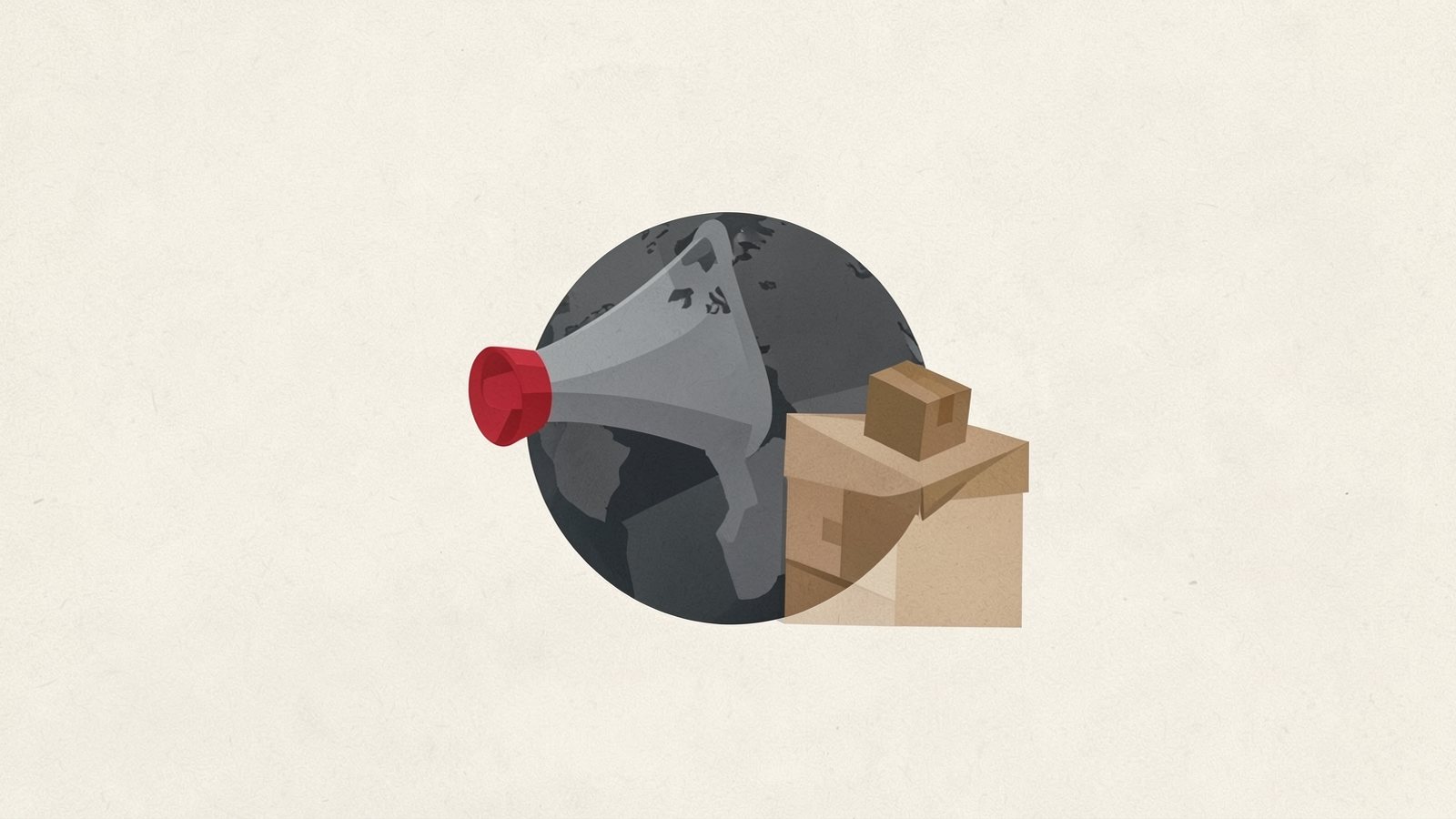
Illustration: greatreporter
India and eight other developing countries today accused rich nations of sidelining the interests of the poor in world trade organisation talks on liberalising global commerce. Faizel Ismail, South Africa's ambassador to the WTO, said concerns are rising about the way the Doha round of trade talks is heading. "There is a threat to the development content of the round", a key plank of which is to use trade to cut poverty, Ismail told journalists. South Africa, along with India, Argentina, Brazil, Indonesia, Namibia, Pakistan, the Philppines and Venezuela, today submitted a new text to the WTO demanding that rich countries open up their markets to poor countries' farm goods and reform their agricultural policies. The Doha round, launched in Qatar in 2001, is in deadlock largely because of problems in farm trade talks, hampering preparations for the WTO's December 13-18 conference in Hong Kong. "Developed countries are insisting on placing the burden for adjustment on developing countries. They are not prepared to make any adjustment themselves," said Ismail. He was particularly critical of the European Union, which has been accused of failing to offer deep enough cuts in its import duties on farm goods to allow developing countries better access to its market. "The EU proposal means no real adjustment, no real opening. Distortions in world trade will remain," said Ismail. However, Ismael acknowledged that the world's poorest countries are likely to benefit less than better-off developing nations from cuts in farm subsidies and duties in the rich world. He urged rich countries to give the poorest countries a boost by allowing them quota- and tariff-free access to wealthy markets. That is something the EU already has in place and says it wants to see other rich nations adopt. Ismail said the nine countries who spoke out on monday were "ready to make a contribution" to that debate

Related articles

Top