Snowden: Western Governments Arming Israel’s Gaza Campaign Are ‘Most Probably’ Acting Criminally
Edward Snowden has condemned Western governments for continuing to arm Israel’s military campaign in Gaza, saying their actions are “not only unethical” but “most probably criminal”.
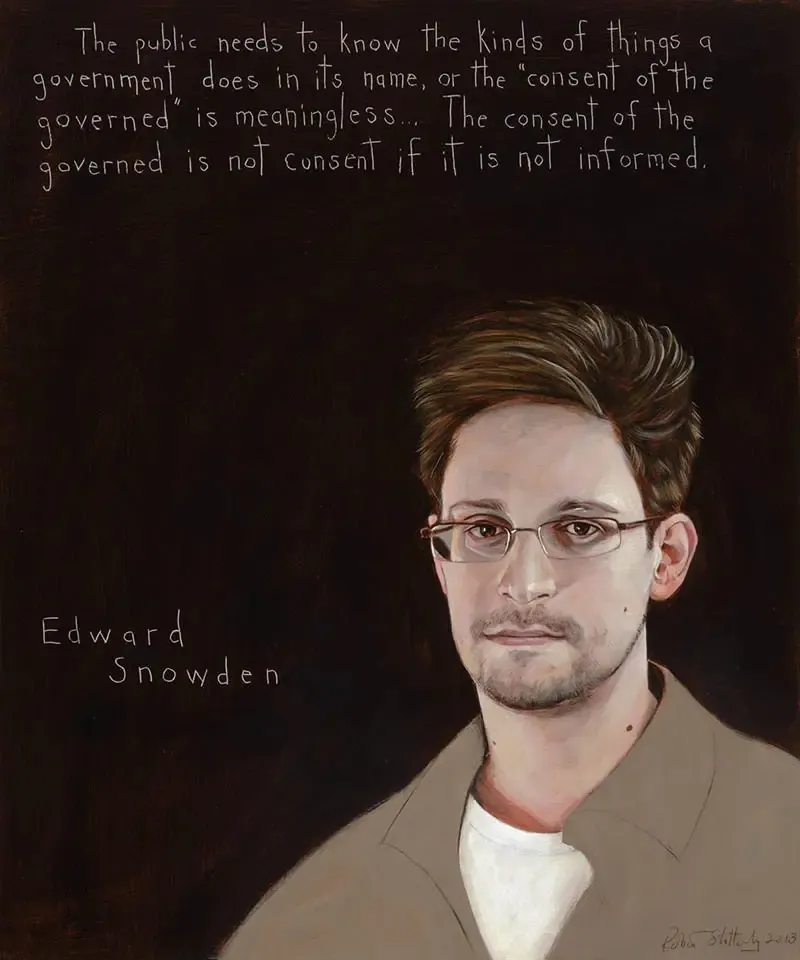
Addressing the ETHics Forum’s “AI Surveillance and Freedom of Speech” event remotely via video link on 24 September, the surveillance whistleblower argued that acknowledging genocide in Gaza should not be treated as hostility towards Jewish people or Israel.
“There is, in fact, a genocide occurring in Gaza,” he said, adding that its “exterminationist intent” had been “openly avowed by a number of Israeli ministers both on camera and in writing”.
For Western democracies to continue arming such an operation, “given the totality of evidence”, was indefensible, he argued.
“And there’s actually, in fact, nothing anti-Semitic or even anti-Israeli in saying that,” Snowden said. “We should expect better.”
Snowden, a former CIA employee and National Security Agency contractor, became internationally known in 2013 after providing journalists with classified documents exposing extensive American surveillance programmes. His disclosures triggered a worldwide debate about privacy, government secrecy and the monitoring of ordinary citizens’ communications. US prosecutors charged him with offences including unauthorised disclosure of national defence information and classified communications intelligence, alongside theft of government property.
He has lived in Russia since 2013, initially receiving asylum and later Russian citizenship in 2022. His American passport was revoked during the fallout from the disclosures, disrupting his onward travel through Moscow. He remains in exile facing US criminal charges.
Those circumstances help explain his participation by video: speaking remotely allows him to address international audiences without travelling abroad and potentially exposing himself to arrest and US extradition proceedings. The organisers confirmed his virtual participation but did not publish a specific explanation for that arrangement.
Snowden introduced his criticism of Western conduct over Gaza through The Emperor’s New Clothes, describing how people can collectively sustain an obvious falsehood because admitting the truth threatens their standing.
In the fable, officials praise clothing that does not exist because they fear appearing unfit for their positions. No conspiracy is necessary: each person watches the others and understands what is expected.
“Everybody instantly adapts to the lie,” he said.
Snowden then recast the child who exposes the emperor’s nakedness as someone willing to acknowledge what is happening in Gaza, despite the social and political pressure surrounding the subject.
His argument challenged governments to uphold the international rules they claim to defend.
“We all had a hand in making these rules,” he said. “And so, we should abide by them.”
Addressing the audience more broadly, Snowden warned that institutional acceptance and humane behaviour can come into conflict.
“There will come a moment in your life when everyone else in your office, in your lab, in your city, in your state, in your country is wrong,” he said.
“They may know they’re wrong. They may not.”
He urged listeners to recognise that awareness alone does not produce change.
“Information by itself is not power,” Snowden said. “Organisation is power. Our will is power. Our willingness to act.”