Eurovision Boycott Escalates as Israel Participation Sparks Crisis for Contest
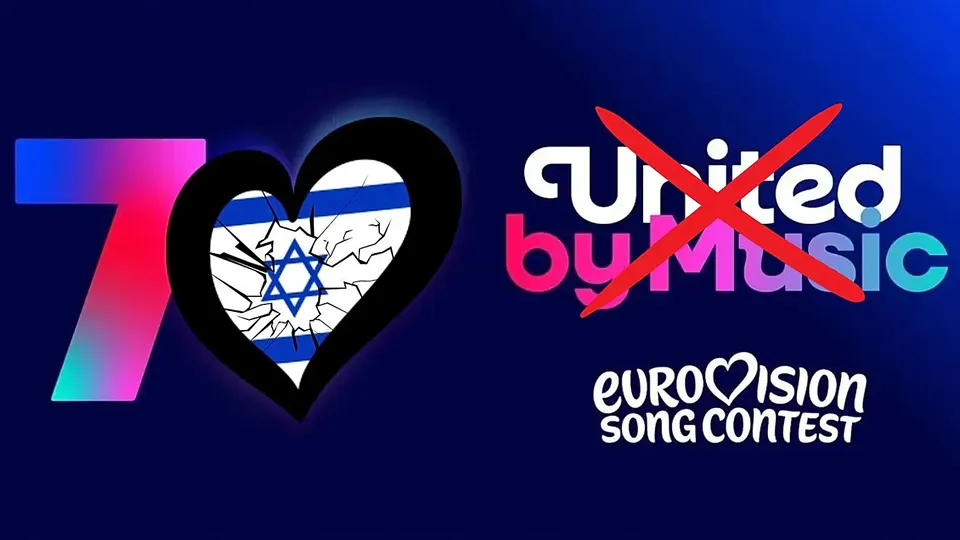
The Eurovision Song Contest is facing what critics and campaigners describe as the deepest legitimacy crisis in its modern history, as mounting protests, broadcaster revolts, artist boycotts, and accusations of vote manipulation engulf the annual competition over Israel’s continued participation during the Gaza war.
What was once promoted as a politically neutral celebration of music and European culture has now become a focal point for one of the most explosive international controversies in entertainment. Across Europe, demonstrators, musicians, broadcasters, and fans increasingly argue that Eurovision is being used as a platform to rehabilitate Israel’s image while Gaza is being devastated by war.
According to campaigners involved in the Palestinian-led Boycott, Divestment and Sanctions movement, this year’s backlash represents the largest organized boycott Eurovision has ever experienced. Spain, Slovenia, Ireland, Iceland, and the Netherlands have all reportedly withdrawn or boycotted elements of the competition in protest over Israel’s inclusion.
Palestinian-Irish artist Samir Escander described Eurovision as “a huge deal” politically, arguing that the contest has transformed into a symbolic battleground over Western complicity in Israel’s actions in Gaza. He noted that Palestinians first called for Eurovision boycotts in 2019, after Israel hosted the contest in Tel Aviv, but said the movement had expanded dramatically since the outbreak of the Gaza war in October 2023.
“Thousands and thousands of artists, musicians have publicly called for Israel to be excluded,” Escander said, adding that broadcasters, presenters, and performers were increasingly refusing to share a stage with “a representative of the genocidal Israeli state.”
The controversy intensified after a detailed investigation by The New York Times revealed the extent of Israel’s efforts to influence Eurovision voting and maintain its place inside the competition. The report alleged that Israel treated Eurovision as a strategic “soft power” operation and devoted substantial state resources toward shaping public opinion through the contest.
According to the investigation, the Israeli government launched a coordinated campaign involving multilingual online advertising, diplomatic pressure on European broadcasters, social media operations, and organized voting efforts encouraging supporters to cast the maximum number of votes allowed for Israel’s contestant.
The report stated that Israel’s efforts were “broader and started years earlier than previously known.” Campaigners say the revelations confirm longstanding suspicions that Israeli authorities viewed Eurovision not merely as entertainment but as an international image-management project designed to counter rising hostility toward Israel across Europe.
One of the most striking findings involved how relatively small groups of highly motivated voters could heavily influence Eurovision’s public vote system. Analysts cited in the investigation reportedly concluded that only a few hundred organized voters repeatedly casting ballots could significantly alter outcomes in several countries. Spain was identified as one example where concentrated voting may have dramatically shifted results.
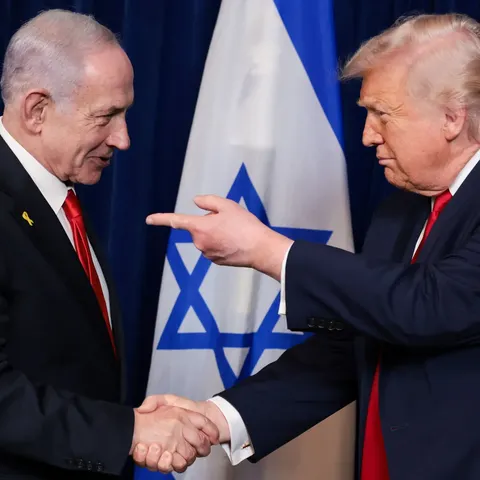
The Netanyahu government reportedly spent hundreds of thousands of dollars on Eurovision campaigning. The investigation also alleged that Israeli diplomatic officials coordinated lobbying operations behind the scenes to pressure European broadcasters into supporting Israel’s continued participation.
Israeli President Isaac Herzog was reportedly involved in what Israeli media described as an “intensive months-long diplomatic campaign” aimed at ensuring Israel remained in the contest. Herzog has already been named in South Africa’s genocide case against Israel at the International Court of Justice over statements prosecutors say amounted to incitement.
Critics argue the Eurovision controversy has exposed glaring double standards inside European institutions. Russia was expelled from Eurovision within days of invading Ukraine in 2022, with organizers arguing that allowing Russia to compete would damage the contest’s reputation. Yet Israel has remained in the competition despite accusations of genocide, International Criminal Court arrest warrants against Israeli leaders, and growing international condemnation over Gaza.
Amnesty International condemned the EBU’s refusal to suspend Israel, calling it “an act of cowardice” and “an illustration of blatant double standards.”
The scale of opposition from within the music industry itself has also become increasingly difficult for Eurovision organizers to ignore. More than 1,000 musicians reportedly signed an open letter under the “No Music for Genocide” campaign calling for Israel’s exclusion. Supporters included artists such as Brian Eno, Peter Gabriel, Macklemore, and Paloma Faith.
Several former Eurovision winners have publicly backed the boycott campaign. Swiss Eurovision winner Nemo reportedly returned their Eurovision trophy in protest against Israel’s participation.
Fans themselves are also turning against the contest in large numbers. Social media criticism has exploded, with longtime Eurovision viewers describing this year’s production as “soulless,” “lazy,” and “toxic.” One fan quoted in the discussion said the contest felt “completely farcical,” while another argued Eurovision had become so politically compromised that many performers no longer wanted to be associated with it.
The fallout has reportedly affected Eurovision commercially as well. Eurovision’s official live tour was cancelled amid low ticket sales and ongoing boycott pressure. Alternative anti-war Eurovision events are now being organized across Europe, including in Brussels, Oslo, London, and Vienna, the Austrian host city for this year’s contest.
Demonstrations are also planned in Vienna during Eurovision week. Activists say protests will target not only Israel’s participation but also the EBU itself, accusing organizers of silencing criticism and protecting Israel from scrutiny.
Escander accused the EBU of concealing voting data, avoiding formal investigations into Israel’s campaigning practices, and discouraging broadcasters from speaking publicly about concerns regarding the integrity of the competition. According to the discussion, organizers privately acknowledged that Israel’s campaigning was “disproportionate” but repeatedly delayed votes or sidestepped direct challenges to Israel’s participation.
Much of the anger surrounding Eurovision is tied directly to conditions inside Gaza. Campaigners pointed to widespread destruction of civilian infrastructure, including universities, hospitals, cultural institutions, and media facilities. According to figures cited during the discussion, at least 242 journalists have reportedly been killed during the conflict.
Escander argued that Israel’s broadcaster Kan was itself deeply implicated in wartime propaganda. He accused presenters on the network of openly celebrating military attacks and promoting rhetoric supportive of war crimes against Palestinians. “There can be no stage for genocide and apartheid,” he said.
The controversy has also exposed political divisions within Europe. Critics argue Germany and Austria have played key roles in defending Israel’s position inside Eurovision structures. Austria’s broadcaster and government reportedly indicated they would boycott the contest themselves if Israel were expelled.
Campaigners say Eurovision now risks permanent reputational damage unless organizers change course. Escander warned that the boycott movement would continue growing until Israel was suspended from the contest.
“The theatre is over,” one broadcaster official quoted in the discussion said. “There’s no music that can cover up this horror.”