BBC Faces Growing Criticism Over Biased Gaza Coverage and Omitted Reports of UK Support for Israel
A Record of Disparities
During an interview, investigative journalist Mark Curtis presented findings from a detailed analysis of the BBC’s online content. Curtis’s research, published by Declassified, explored 16 categories of UK policy toward Israel, uncovering an alarming pattern of underreporting. According to Curtis, the BBC has failed to report critical aspects of UK support for Israel, including: Military Training: UK military personnel have trained Israeli armed forces in Britain, a fact admitted in Parliament but omitted from BBC coverage.Intelligence Collaboration: Reports suggest a British intelligence team has been operating in Israel, aiding Israeli intelligence efforts. This too has been excluded from the BBC’s narrative.
Diplomatic Immunity: The head of the Israeli military, Herzi Halevi, visited the UK in late 2023 to discuss military strategy. Despite his controversial role in operations in Gaza, the BBC neglected to report on his visit or the special immunity granted to him to avoid arrest for alleged war crimes.
RAF Surveillance Flights: Since October 2023, the Royal Air Force has conducted frequent surveillance flights over Gaza from a base in Cyprus. While the British government claims these flights are solely for hostage-related intelligence, concerns about broader intelligence sharing persist. The BBC has scarcely covered these operations, with only one report in the past year addressing the issue.A Broader Pattern of Neglect
Curtis also highlighted the BBC’s silence on legal challenges against the UK government. The International Centre of Justice for Palestinians (ICJP) has accused British ministers of complicity in war crimes. Despite the gravity of these accusations, the BBC has not published a single article on the case. Moreover, a crackdown on pro-Palestinian journalists in the UK, including raids by counterterrorism authorities, has gone largely unreported. Curtis argues that these omissions reflect an editorial agenda aligned with British foreign policy rather than a commitment to impartial journalism.Public Backlash and Calls for Reform
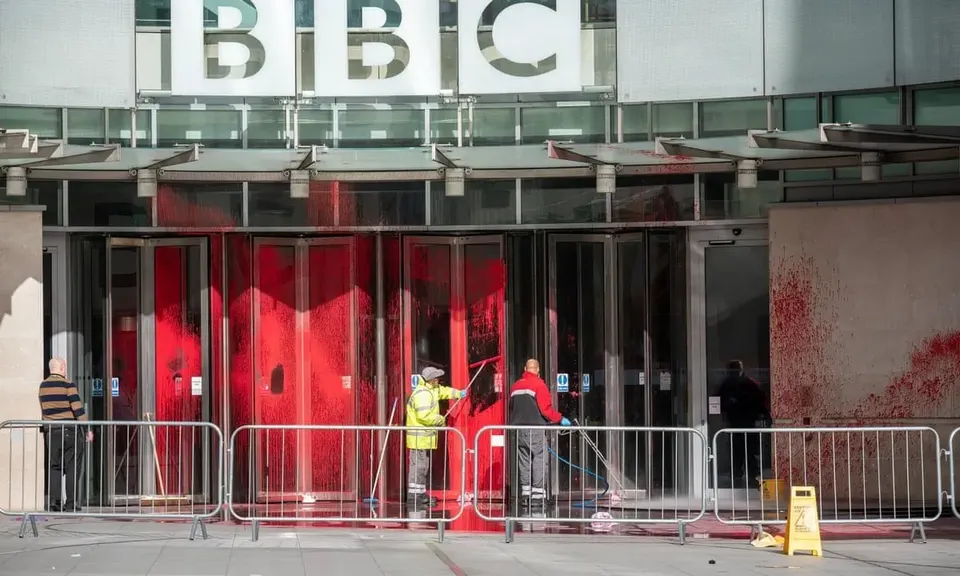
Public criticism of the BBC’s Gaza coverage is mounting. Prominent voices, including journalist Owen Jones, have condemned the broadcaster’s lack of accountability. Protests organized by the Palestine Solidarity Campaign outside the BBC’s offices underscore the growing dissatisfaction. The BBC’s reliance on license fees makes it uniquely accountable to the public, and many critics believe the organization must undergo significant reforms to regain trust. Curtis advocates for a shift toward independent media that prioritizes truth over political and corporate interests.The Road Ahead
As the UK grapples with its role in international conflicts, the spotlight on media accountability intensifies. The BBC’s critics argue that the broadcaster’s omissions are not just oversights but part of a broader pattern of complicity. With protests and calls for transparency gaining momentum, the BBC faces a critical juncture: adapt to public demands for integrity or risk losing its status as a trusted news source.Last November, the BBC was accused by more than 100 of its staff of giving Israel favourable coverage in its reporting of the war on Gaza and criticised for its lack of “accurate evidence-based journalism”.
A letter sent to the broadcaster’s director general, Tim Davie, and CEO Deborah Turness said: “Basic journalistic tenets have been lacking when it comes to holding Israel to account for its actions.”