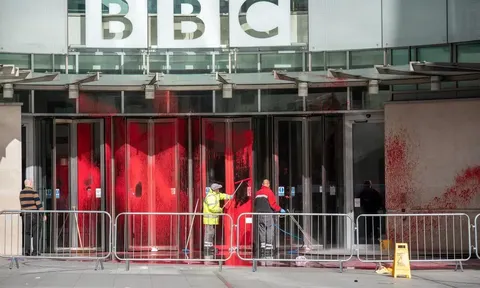
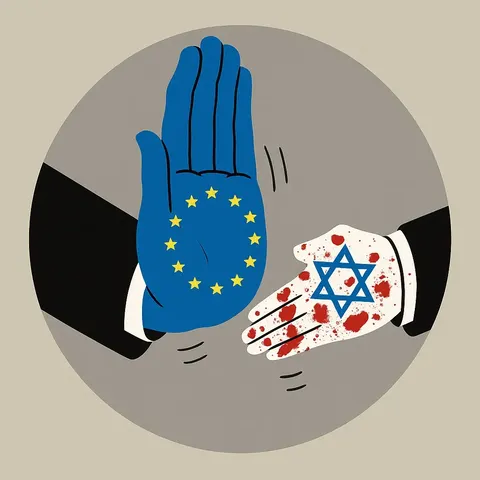
BBC Faces Internal Crisis Over Anti-Palestinian Coverage During Israel's Genocide in Gaza
The BBC is embroiled in an internal civil war over its coverage of the Israel-Palestine conflict, with journalists voicing frustration at what they perceive as systematic pro-Israel bias within the organization. A detailed investigation, based on testimonies from 13 BBC staff members and extensive research, reveals mounting tensions within the broadcaster.
Internal Disputes and Heated Meetings
According to sources, the conflict within the BBC reached a boiling point during an editorial meeting in November 2023. Deborah Turness, CEO of BBC News, reportedly attempted to steer the editorial tone by stating, “We’ve got to all remember this all started on the 7th of October,” referring to Hamas’s attacks on Israel. This comment provoked outrage among staff, with Lillian Lander, a former senior BBC executive, countering that the violence stems from decades of Israeli occupation. Journalists claim this exchange typifies the internal clashes over the framing of stories, particularly regarding the broader historical and political context of the conflict.Evidence of Bias
Leaked internal conversations, correspondence, and editorial decisions suggest a pattern of coverage favoring Israel. For example, when Amnesty International released a report accusing Israel of genocide, the BBC’s initial response was to prominently feature Israel’s rejection of the claims, with the strapline reading, “Israel rejects fabricated claims of genocide.” Staff criticized this framing as an “open goal” for accusations of pro-Israel bias.
The Amnesty report was conspicuously absent from the BBC’s flagship programs, including News at 6 and Newsnight. When it finally appeared on the BBC’s website, it was published hours after the embargo lifted and placed as the seventh most important story, significantly reducing its visibility.Disparities in Coverage
Data journalists involved in the investigation revealed stark disparities in the BBC’s reporting on casualties. Mentions of Israeli deaths vastly outweighed mentions of Palestinian deaths. A notable spike in coverage of Palestinian casualties occurred in April 2023, primarily due to the deaths of six Western aid workers in an Israeli drone strike, with the sole Palestinian victim often sidelined in coverage.
Allegations of Framing
The investigation highlighted examples of headlines and reporting that framed events in ways favorable to Israel. In one instance, the killing of a 16-year-old Palestinian girl by Israeli forces was reported as, “Israel says likely killed Palestinian girl in error.” Critics argue that a similar incident involving an Israeli victim would have received markedly different coverage, with a more humanizing narrative.BBC’s Response
The BBC has denied allegations of bias, stating, “The Israel-Gaza conflict is a challenging and polarizing subject to cover. Criticism based on isolated screenshots or false assertions is invalid and disingenuous.” The broadcaster maintains that it remains committed to impartial reporting, citing audience surveys that rank it as a trusted news source.
However, internal staff have challenged this defense, asserting that editorial decisions systematically downplay Palestinian suffering while amplifying Israeli perspectives. One journalist described these practices as “desperate” and damaging to the organization’s credibility.
A Call for Accountability
The investigation has sparked broader questions about the role of Western media in covering the Israel-Palestine conflict. Journalists involved in the exposé have urged their colleagues to confront institutional biases, emphasizing the ethical responsibility to accurately report on one of the most significant humanitarian crises of our time.
As the BBC faces mounting internal and external scrutiny, the revelations underscore the complex challenges of reporting on a deeply polarizing issue, and the consequences of perceived partiality for the world’s most trusted news organization.