‘Israel Is a Pariah State,’ Says Festival Director as Overseas Music Industry Guests Stay Away
Only 32 of at least 200 international guests invited to Israel’s Music Showcase Festival came. Some who attended in earlier years have asked organisers to erase the online record of their visits.

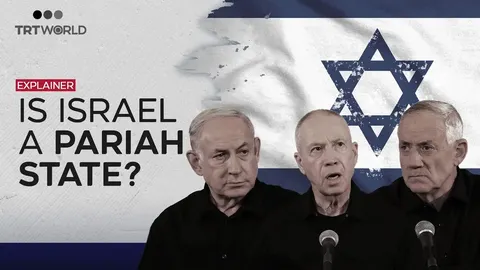
“What was a trend of hating Israel a year or two ago has now become the norm. Israel is a pariah state. You can really feel it in your blood, just how hated you are,” said Hadas Vanunu, artistic director of the Israel Music Showcase Festival.
For Vanunu, who spends much of her working life persuading foreign booking agents and record executives to come and hear Israeli musicians, the change has been most apparent in her inbox. In 2024, when just 22 international guests came, people would explain that they feared for their safety or that their families had asked them to stay home. By 2025, more were raising political objections over Gaza. This November, many had stopped answering altogether.
“We were practically begging people to tell us why they wouldn’t come, even if it meant getting angry messages saying, ‘We’re not coming because Israel is doing this or that.’ This year, we didn’t even get that,” Vanunu said.
At Jaffa Port, Israeli musicians still came prepared for the few minutes with a foreign booker that might secure a run of dates abroad. In a venue built from shipping containers, they laid out vinyl records, offered drinks and passed headphones across tables. The showcase has helped acts including Noga Erez, Lola Marsh and Garden City Movement reach international audiences. This year it staged about 50 performances across Jerusalem and Tel Aviv between 17 and 22 November.
The festival used to advertise who had made the trip. This year, organisers released their delegate list to a reporter on condition that neither names nor job titles be published. Some former guests had gone further. “We’ve even had Jews from the diaspora and former Israelis who attended the festival ask us to erase every digital trace of their visits,” Vanunu said.
Why Palestinian campaigners singled out the festival
The call to boycott the showcase began before the Hamas-led attack of 7 October 2023 and Israel’s ensuing war in Gaza. In October 2022, the Palestinian Campaign for the Academic and Cultural Boycott of Israel appealed directly to international music professionals to stay away. Its reason was the identity of the organiser. Jerusalem’s Yellow Submarine music centre runs the event jointly with the cultural diplomacy division of Israel’s Foreign Ministry.
“The event is an explicit attempt by Israel’s apartheid regime to whitewash its colonial oppression against Palestinians and should be avoided by all progressives,” the campaign said. Its published guidelines reject boycotting individuals on grounds of nationality or religion. They ask cultural workers to consider whether an engagement involves representing the Israeli state or an institution the campaign regards as complicit.
The Foreign Ministry has offered its own account of what it hopes a visiting booker might take home. At the 2025 showcase, Revital Malka, head of music in its cultural diplomacy department, told delegates: “Music brings hearts together. It connects people and nations. Maybe it is even the true diplomacy.”
Vanunu said some prospective guests now wanted to know where the organisers stood on the Israeli government’s actions before they would discuss coming. “There is absolutely no longer any distinction between an Israeli individual and their country,” she said.
Government cuts have also made it harder to bring guests over. As airfares rose, the festival began helping visitors who once paid their own way. In 2025, the Foreign Ministry froze an estimated five million shekels earmarked for international cultural collaborations. “We’re either fighting what the world thinks of us or fighting over whether our own country even believes in investing in culture at all,” Vanunu said.
The musicians who still make the trip
Among those willing to be named in Jaffa was Maciej Nestor, who runs the independent Polish label V Records. Even some of his Jewish musician friends had questioned his decision to attend. Nestor, who had toured western Ukraine during the war there, said he knew what it meant for people living through a conflict to be able to hear live music. In Jaffa he watched Israeli and Palestinian musicians play together in the FeelBeit Ensemble under trumpeter Avishai Cohen. “Culture must remain a space for dialogue and human connection,” he said.
For Ethiopian Israeli rapper Eden Derso, the question of what an artist represents had first arisen on a stage in Berlin. At her first show there after the Gaza war began, she recalled, some people in the audience visibly recoiled when they heard she was from Tel Aviv. Asked whether she might conceal her nationality, Derso thought of her family. “My father waited long enough to come to this country,” she said. Hiding her Israeli identity, she added, was “like hiding my Blackness.”
In Jaffa, Derso found herself talking to a New York record executive who had loved her set without understanding the Hebrew lyrics. “They don’t understand the words but still love it, that’s crazy to me,” she said. “People are just drawn to it.”
For Gabri, one half of the Paris-based Israeli duo Boogie Balagan, the war has changed what he can bring himself to sing. The pair’s music draws heavily on Arabic influences. Since friends lost loved ones in the 7 October attack, he said, he has improvised a different lyric when he reaches the word “Palestine” in one of their songs. The duo subsequently recorded Mashiah, the first song in their 20 years together that they had sung entirely in Hebrew.
The music coming out of Gaza
The boycott has reached listeners as well as concert bookers. The No Music for Genocide campaign says more than 1,000 artists and labels have restricted access to their recordings in Israel. Among those taking part are Massive Attack, Björk and Fontaines D.C. In November, Portishead’s three studio albums disappeared from the Israeli versions of Spotify and Apple Music. The campaign claimed the move as part of its boycott, although some tracks remained available on compilations.
In Gaza, Palestinian musicians have had to find places where children can still learn to play. After the destruction of the Gaza premises of the Edward Said National Conservatory of Music, oud teacher Ismail Daoud and his colleagues went from tent to tent in al-Mawasi giving lessons. “For the first seven months of the war, I didn’t hear or play music,” Daoud recalled.
One of his colleagues, guitarist Ahmed Abu Amsha, began making music with displaced children and fellow teachers in an ensemble called Gaza Birds Singing. In one recording, the children sing a Palestinian song in harmony with the note of an Israeli drone overhead. In May, they released The Drone Song as part of the campaign to boycott Eurovision over Israel’s participation.
Back in Jaffa, Vanunu asked the music industry to keep a place open for the artists she represents. “We’re here to make art, and art has a role that isn’t political,” she said. “The day will come when everyone understands that, and when everyone does, we’ll still be here, doing what we do.”
Sources and attributions
Deborah Danan, Jewish Telegraphic Agency, 27 November 2026, republished by The Jerusalem Post on 28 November. Original interviews with Hadas Vanunu, Maciej Nestor, Eden Derso and Boogie Balagan, reporting from Jaffa Port, attendance figures and the ministry funding freeze. International music executives increasingly shun Israel’s talent showcase at Jaffa Port festival.
Israel Music Showcase Festival. Official dates, programme and partnership with the Israeli Foreign Ministry. The 17th Israel Music Showcase Festival.
Palestinian Campaign for the Academic and Cultural Boycott of Israel. Appeal to international music professionals to boycott the showcase, 31 October 2022, and guidelines for the international cultural boycott.
Anouk Carter-Dorf, The Jerusalem Post, 2 December 2025, reported Revital Malka’s remarks. Jessica Steinberg, The Times of Israel, 21 October 2026, interviewed the organisers about airfares, funding and invitations. Published counts for 2025 differ. Danan reported 55, Vanunu recalled 60 in October, and Carter-Dorf’s contemporary account recorded more than 70 delegates. Report from the 2025 festival and interviews ahead of the 2026 showcase.
No Music for Genocide publishes its list of participants. Jazz Monroe, Pitchfork, 23 November 2026, reported on the availability of Portishead’s recordings. Portishead reportedly pull music from Israeli streaming services.
Ruwaida Amer, +972 Magazine, 15 May 2026, interviewed Ismail Daoud about teaching after the destruction of the conservatory. Reviving Gaza’s cultural scene from beneath the rubble. Gaza Birds Singing published the ensemble’s account of the recording. Watch Ahmed Abu Amsha and Gaza Birds Singing perform The Drone Song.