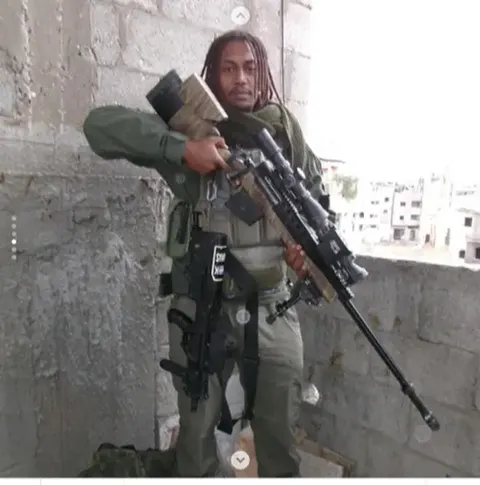
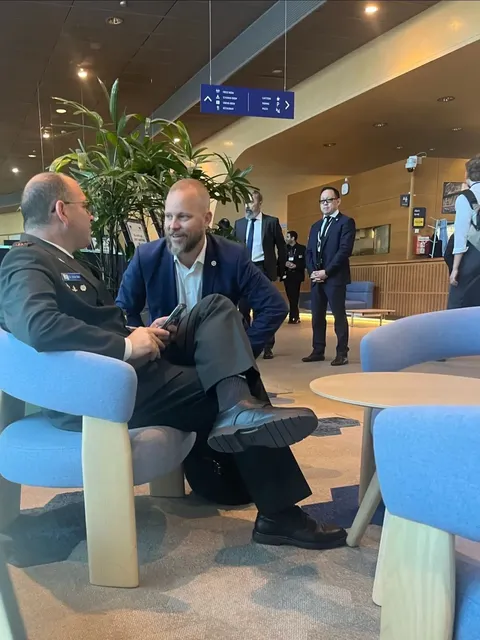
First in Europe: Israeli Soldiers Accused of Gaza Atrocities Arrested at Tomorrowland Festival
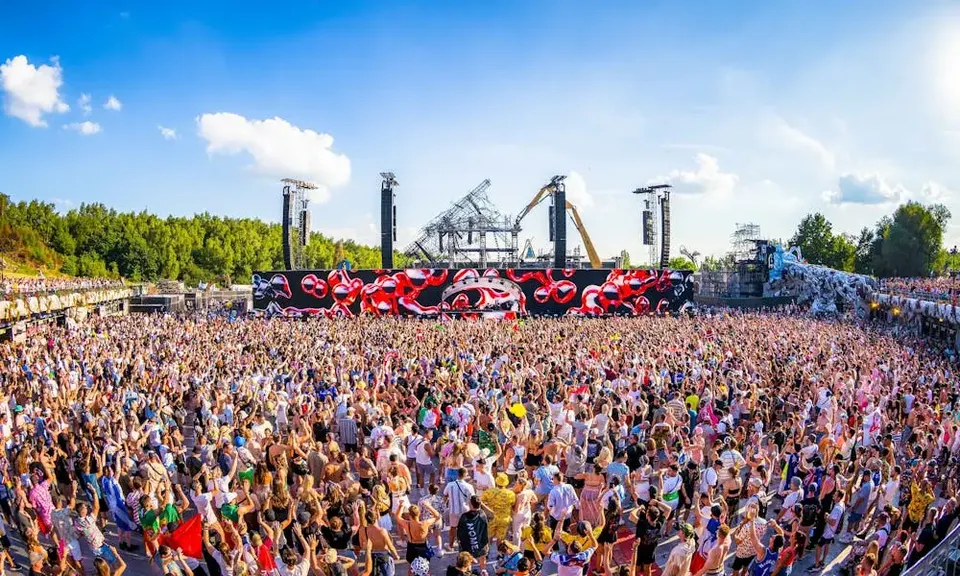
In a historic first for Europe, two Israeli soldiers suspected of committing war crimes and genocide in Gaza have been arrested and formally interrogated by Belgian authorities after being identified at the Tomorrowland music festival in Boom. The arrests follow urgent legal complaints filed by the Hind Rajab Foundation (HRF) and the Global Legal Action Network (GLAN), marking the first time Israeli military suspects have faced legal proceedings of this kind on European soil.
The individuals, whose identities remain undisclosed, were apprehended by Belgian federal police in a targeted operation on the festival grounds. Witnesses described the arrests as a deliberate and forceful action. After being taken into custody, the suspects were formally questioned and released. The Belgian Federal Prosecutor’s Office has confirmed that a war crimes investigation is now underway.
Grave Allegations: War Crimes and Genocide
HRF and GLAN describe the suspects not as fringe actors, but as directly involved in some of the most serious crimes committed during Israel’s military operations in Gaza. The legal complaints allege:
- Indiscriminate bombing of civilian areas, including homes and hospitals;
- Torture, including the use of human shields;
- Mass arbitrary detention and forced displacement of civilians;
- Systematic attacks on Gaza’s life-sustaining infrastructure — water, agriculture, and healthcare — with the intent to destroy the population’s capacity to survive.
“These actions were not incidental,” said HRF Chairman Dyab Abou Jahjah. “They were executed with intent—to destroy a people, to erase a future. If Belgium allows these individuals to leave unchallenged, it will be complicit in granting impunity to the perpetrators of genocide.”
The complaints cite legal obligations under the Genocide Convention (1948), the Rome Statute of the International Criminal Court, and the Belgian Penal Code, which empowers Belgian authorities to prosecute war crimes and crimes against humanity under the principle of universal jurisdiction.
Givati Brigade Flag Display Raises Alarm
The suspects were identified as part of a group seen publicly waving the flag of the Israeli Givati Brigade—an infantry unit extensively documented for its central role in operations that devastated Gaza and killed thousands of civilians. The flag, displayed openly at Tomorrowland, drew outrage from rights advocates.
“For millions, the Givati insignia is now a symbol of impunity and ethnic cleansing,” said GLAN in a statement. “Its presence in the heart of Belgium raises urgent political and moral questions: Why are those implicated in crimes against humanity allowed to walk freely and glorify their actions, while survivors face silence and erasure?”
In a separate incident just days earlier, a group of young Israeli men reportedly tore down a Palestinian flag from a private residence in Dirkputstraat, Boom. The homeowner described the act as deeply intimidating. “The symbolism is stark,” said one HRF representative. “While war crimes suspects display their military symbols without fear, the symbols of their victims are violently suppressed.”
A Legal Duty, Not a Political Choice
Belgium’s legal obligations leave no room for ambiguity. As a state party to the Genocide Convention and the Rome Statute, it is required to arrest and prosecute individuals suspected of genocide and war crimes when present on its territory.
“The evidence we’ve presented is credible, detailed, and legally sound,” said a GLAN spokesperson. “This is not a matter of political discretion—it’s a matter of legal duty.”
HRF and GLAN are now calling for:
- The immediate re-arrest of the suspects;
- The seizure of passports and electronic devices to prevent obstruction of justice;
- And a fully independent investigation and prosecution without political interference.
A Moment That Breaks Impunity
“This development is a significant step forward,” the organizations said in a joint statement. “For the first time in Europe, Israeli suspects linked to atrocities in Gaza have been subjected to formal arrest and legal questioning. This would not have been possible without the strength of the law and the will to apply it.”
They emphasized that justice has not yet been served—but a critical precedent has been set. “This moment shows that impunity is not inevitable. Justice can cross borders. And victims are not forgotten.”
As the investigation proceeds, Belgium’s long-standing commitment to international law is under scrutiny. “Tomorrowland must not become a sanctuary for war criminals,” Abou Jahjah added. “Belgium has the legal tools—and now the opportunity—to show that justice still matters.”