Expert Warns Illegal Israel,US Attack on Iran Could Cause UK Famine and Starvation in 20% of World
As military tensions involving the United States, Israel, and Iran intensify, concern is growing that the economic consequences could extend far beyond oil prices and regional instability. While public discussion often focuses on the threat of higher fuel costs or disruptions to global energy markets, some economists argue that a much larger and less understood crisis may already be taking shape beneath the surface.
According to a growing body of analysis, the conflict surrounding Iran and the Persian Gulf may pose a direct risk to the global food supply. The warning centers on a fragile network of shipping routes, fertilizer exports, agricultural timing, and economic interdependence that connects war in the Middle East to grocery prices and food security around the world.
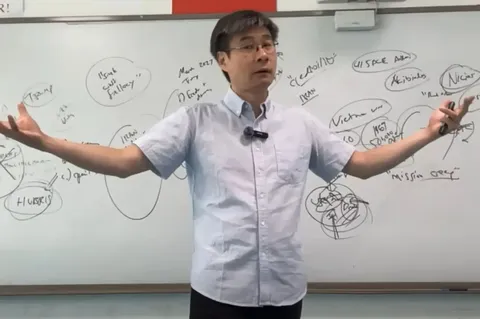
One of the most prominent voices advancing this argument is economist Steve Keen, an Australian academic known for warning about the financial crisis of 2008 before it unfolded. Keen has long criticized mainstream economic thinking for underestimating instability, debt risk, and the importance of physical production systems. His recent analysis suggests that the greatest danger emerging from an Iran centered conflict may not be oil shortages alone, but the interruption of agricultural inputs essential to modern farming.
The Strait of Hormuz and the Fertilizer Supply Chain
The Strait of Hormuz remains one of the most strategically important waterways in the world. The narrow maritime corridor connects the Persian Gulf to the Arabian Sea and serves as a transit route for a large share of global energy exports. Oil tankers moving through the passage carry supplies destined for Asia, Europe, and North America.
Yet oil is not the only commodity moving through the Strait of Hormuz.
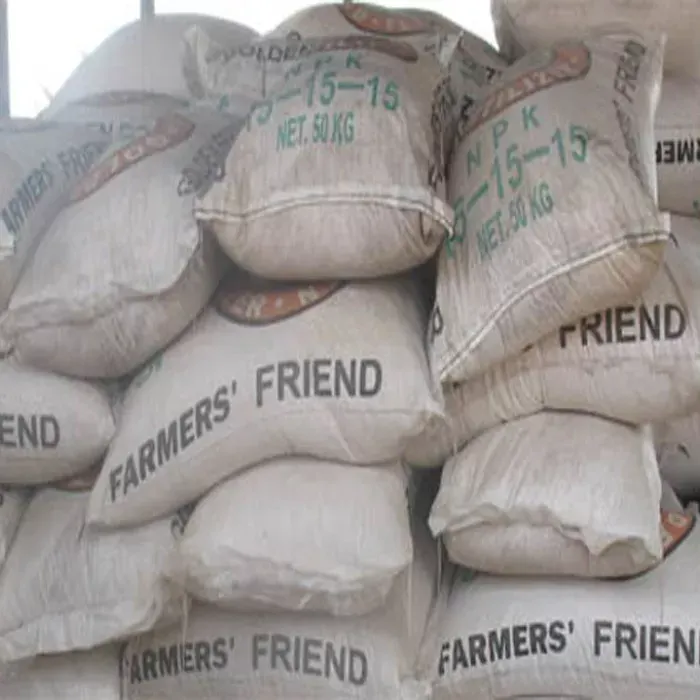
Keen and other analysts argue that fertilizer shipments passing through the region represent an equally critical lifeline for global agriculture. According to estimates cited in his analysis, roughly 20 percent of the world’s fertilizer supply normally transits through this shipping corridor.
Modern agriculture relies heavily on fertilizer to maintain crop yields. Nitrogen, phosphate, and potash based fertilizers are essential to growing grain, vegetables, and staple crops at the scale required to feed billions of people.
A disruption in fertilizer supply may not immediately generate headlines in the same way as oil price spikes. However, economists warn that the impact could unfold over months rather than days, eventually translating into reduced crop production, tighter food supplies, and higher prices.
Keen argues that fertilizer is particularly vulnerable because agriculture depends on strict timing.
Farmers must apply fertilizer during narrow planting windows. If shipments arrive too late, even by one or two weeks, the planting season may be missed. Crops then grow at lower yields or fail to reach expected productivity.
In this sense, the interruption of fertilizer shipments becomes more than a logistical inconvenience. It becomes a structural threat to food production.
How Military Escalation Could Disrupt Food Production Worldwide
Many consumers understand that war can increase fuel prices. Fewer recognize how closely food production depends on energy and transport systems.
Agriculture requires fuel for tractors, irrigation equipment, transportation, refrigeration, and distribution. Fertilizer production itself also relies heavily on natural gas and industrial processing.
When conflict disrupts energy markets, transportation costs rise. Shipping delays increase. Insurance premiums for maritime transport become more expensive. Supply chains slow down.
The Iran conflict introduces all of these risks simultaneously.
Military escalation in the region raises fears that shipping traffic through the Persian Gulf could be delayed, rerouted, or interrupted. Even temporary disruptions may create gaps in delivery schedules.
Keen has argued that a prolonged interruption could create shortages severe enough to affect spring and seasonal planting cycles in multiple countries.
His warning suggests that food production worldwide could decline between 10 and 25 percent if fertilizer shortages significantly disrupt agricultural schedules.
Such a decline would have implications far beyond farming.
Lower crop yields could drive up food prices, increase inflation, pressure governments to subsidize imports, and create instability in countries already struggling with poverty or political fragility.
The Fragility of Just In Time Supply Chains
One of the central themes in Keen’s work is the vulnerability of modern supply chains.
Over the past several decades, global production systems have increasingly adopted a "just in time" model designed to reduce storage costs and improve efficiency.
Under this approach, products arrive precisely when needed rather than being stockpiled in large reserves.
While efficient during stable conditions, the model leaves little room for disruption.
A shipping delay that might once have been manageable now becomes a major economic shock because many industries no longer maintain substantial inventories.
Agriculture is particularly exposed to this risk because planting schedules cannot easily shift.
A factory may delay production for several weeks and recover later. A missed growing season cannot be recovered once the calendar moves forward.
Keen argues that policymakers and economists often underestimate the physical nature of production.
In his view, mainstream economics places excessive emphasis on markets, pricing, and financial theory while paying insufficient attention to energy flows, material supply chains, and logistical timing.
His broader argument is that economies should be understood as complex systems rather than balanced equilibrium models.
In such systems, disruption in one sector can trigger cascading failures across multiple industries.
Why Steve Keen’s Economic Analysis Has Gained Attention
Steve Keen first gained international recognition for predicting elements of the 2008 financial crisis before many mainstream economists acknowledged the risks.
Unlike conventional analysts who focused on market efficiency and stable growth, Keen emphasized excessive private debt, financial fragility, and the danger of speculative bubbles.
His economic framework draws heavily from the ideas of economist Hyman Minsky, who argued that long periods of stability can create increasingly unstable financial systems.
Keen’s work often challenges standard assumptions in economics.
Rather than treating markets as self correcting mechanisms, he sees economies as vulnerable to nonlinear shocks and systemic breakdowns.
This perspective explains why he connects war, fertilizer supply, debt, inflation, energy markets, and food security into a single narrative.
To Keen, these are not separate issues. They are interdependent parts of a larger economic ecosystem.
He argues that disruptions in one area can create chain reactions elsewhere.
In the case of Iran and the Strait of Hormuz, a military crisis may become a food crisis not because crops disappear immediately, but because agricultural inputs fail to arrive in time.
Keen’s critics argue that his forecasts can lean toward worst case scenarios and that some of his models place too much emphasis on systemic collapse.
However, supporters say his willingness to connect overlooked risks often highlights vulnerabilities ignored by traditional forecasting.
Which Countries Could Face the Greatest Risk From Fertilizer Disruption
The impact of fertilizer shortages would not be evenly distributed.
Countries with domestic fertilizer production or large reserves may be able to absorb temporary disruption.
The United States and China are often cited as relatively resilient due to their internal production capacity and strategic stockpiles.
China in particular has maintained significant reserves of agricultural inputs and grain, providing a buffer against supply interruptions.
Other countries may be less prepared.
The United Kingdom imports a substantial share of its food and agricultural inputs, making it vulnerable to international shipping disruptions.
Australia also depends heavily on imported fertilizer and long distance transport systems.
India, with its vast agricultural sector and heavy fertilizer demand, may face challenges if imports are delayed during critical planting periods.
Food importing nations in Africa, the Middle East, and parts of South Asia may experience heightened exposure if prices rise rapidly or shipments slow.
Economists warn that food insecurity often emerges unevenly.
Some countries may maintain supply through reserves or trade agreements, while others face shortages almost immediately.
This creates what analysts describe as a patchwork crisis, where the severity of impact depends on existing stockpiles, import dependency, and government response.
Oil Prices, Inflation, and the Rising Cost of Everyday Life
The Iran conflict also raises questions about energy prices.
Oil markets remain highly sensitive to instability in the Persian Gulf.
A significant escalation involving Iran could trigger a sharp increase in crude prices, particularly if shipping lanes become threatened.
Higher oil prices affect far more than transportation.
Fuel costs influence food distribution, manufacturing, electricity generation, and consumer prices.
As transportation becomes more expensive, the price of imported goods rises.
For consumers, the effects are often felt first at the grocery store.
Food prices tend to increase when energy becomes more expensive because farming, refrigeration, packaging, and trucking all rely on fuel.
Combined with fertilizer shortages, these pressures could create a powerful inflationary wave.
Some analysts warn that this dynamic could intensify pressure on already indebted economies.
Households facing rising food costs may cut spending elsewhere. Governments may increase borrowing to subsidize energy or food imports. Financial markets may react negatively to prolonged uncertainty.
Keen’s broader argument suggests that debt heavy economies are particularly vulnerable during supply shocks.
Unlike ordinary inflation driven by consumer demand, supply driven inflation is harder to control because central banks cannot quickly restore disrupted logistics or missing commodities.
A Wider Geopolitical Contest Over Energy and Trade
The economic implications of the Iran conflict also intersect with broader geopolitical rivalries.
Observers increasingly describe the crisis as part of a larger competition between major powers, including the United States, China, and Russia.
The Persian Gulf remains critical not only because of energy production but because of its role in shipping, trade, and strategic influence.
Iran’s position within regional alliances adds another layer of complexity.
Questions surrounding its nuclear capabilities, military relationships, and regional partnerships influence diplomatic calculations.
The conflict is therefore not only about one country or one military confrontation.
It reflects competing visions of global order, energy security, and trade access.
Some analysts argue that supply chain vulnerabilities are increasingly becoming geopolitical weapons.
Countries may restrict exports, protect reserves, or prioritize domestic survival during periods of instability.
Such behavior could deepen shortages if fertilizer producing countries decide to conserve supply rather than continue open trade.
Could a Food Crisis Develop Within Months?
One of the most striking elements of Keen’s analysis is the timeline.
Unlike financial crises that unfold gradually, agricultural disruption can accelerate quickly once planting windows are missed.
If fertilizer shipments remain interrupted for extended periods, farmers may be unable to apply nutrients at the correct time.
Reduced yields would then begin to appear within a single growing season.
This raises the possibility that food supply problems could emerge within months rather than years.
While many economists remain cautious about worst case projections, few dispute that fertilizer availability plays a central role in food production.
The global fertilizer market has already experienced instability in recent years due to pandemic related disruptions, sanctions, energy price swings, and geopolitical tensions.
The addition of a prolonged Persian Gulf conflict would introduce another major variable.
The broader concern is not necessarily immediate famine across wealthy nations.
Instead, analysts warn of a gradual erosion of food affordability, increased inequality, and rising vulnerability in countries with limited agricultural resilience.
Food insecurity often begins with higher prices rather than empty shelves.
Low income households feel the impact first. Governments face rising pressure to intervene. Political instability can follow.
Why the Food Supply Threat May Extend Far Beyond Headlines
Oil price spikes dominate headlines because they are visible and immediate.
Food system disruptions are slower and more complex.
They unfold through delayed shipping, missed planting schedules, reduced harvests, and rising costs.
This slower progression may make the risk easier to overlook.
Keen’s analysis suggests that the real danger of the Iran conflict may lie not in a sudden market crash but in a chain reaction moving quietly through logistics, agriculture, and global trade.
Whether his warnings prove accurate remains uncertain.
However, economists increasingly agree that modern economies are deeply interconnected and highly dependent on uninterrupted supply chains.
A regional conflict in one of the world’s most important trade corridors may therefore have consequences extending far beyond the battlefield.
The stakes are measured not only in military outcomes or oil prices but in harvests, inflation, food affordability, and the resilience of global supply systems.