Pakistan Minister’s Israel Remarks Echo Growing Global Outrage Amid Lebanon Strikes
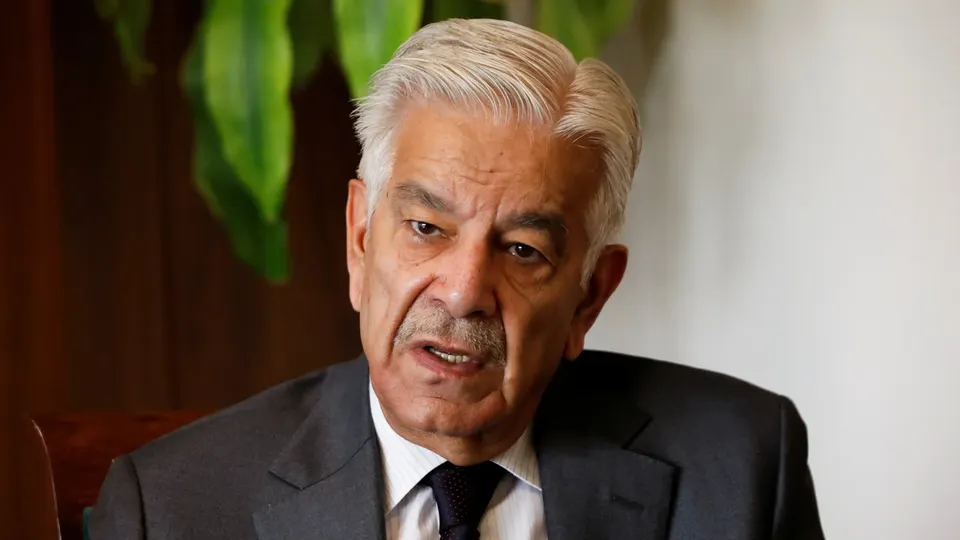
Pakistan’s Defence Minister, Khawaja Asif, described Israel as “evil” and a “curse for humanity” in a now deleted post on X, echoing the views of many millions of people worldwide who oppose what they see as Israeli land appropriation, unprovoked regional aggression, the mass killing of civilians, the torture of prisoners, and a sustained disregard for international law, diplomacy and human rights.
The comments, posted on X on Thursday, came as Israeli airstrikes on Lebanon killed more than 200 people and wounded over 1,000 in what has been described as one of the most intense bombardments of Beirut in decades. Asif’s statement, condemning what he characterised as ongoing violence from Gaza to Lebanon, was swiftly removed but rapidly circulated online.
In the deleted post, Asif wrote:
“While peace talks are underway in Islamabad, genocide is being committed in Lebanon. Innocent citizens are being killed by Israel, first Gaza, then Iran and now Lebanon, bloodletting continues unabated. I hope and pray people who created this cancerous state on Palestinians land to get rid of European jews burn in hell.”
While Israeli leaders denounced the language as inflammatory, the episode has highlighted a broader shift in international sentiment, with criticism of Israel’s conduct becoming increasingly vocal across governments, civil society, and international institutions.
A Voice Reflecting Wider Frustration
Asif’s remarks may have been unusually blunt for a senior government official, but they echo sentiments expressed, in more measured terms, by a growing number of global actors.
The strikes on Lebanon drew condemnation from European leaders and the United Nations, including Volker Türk, who raised alarm over civilian casualties and the scale of destruction.
Across much of the Global South, criticism has been even sharper, with governments and public opinion increasingly framing Israel’s actions as disproportionate and destabilising to the wider region.
Israeli Backlash
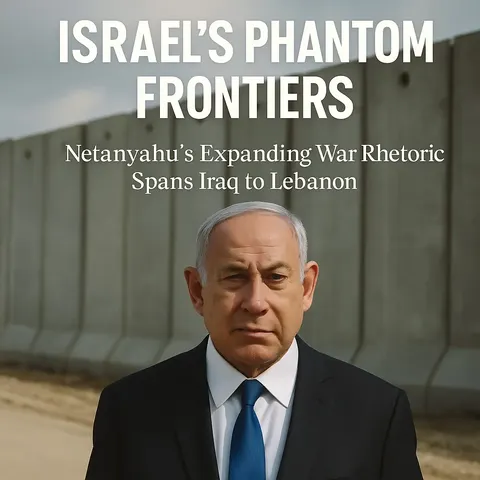
Israel responded forcefully. The office of Prime Minister Benjamin Netanyahu described Asif’s comments as “outrageous,” arguing they undermine Pakistan’s claim to neutrality as it prepares to host sensitive peace talks.
Foreign Minister Gideon Saar went further, accusing Asif of spreading antisemitic rhetoric and warning that such language threatens diplomatic efforts.
Yet the intensity of Israel’s response has itself drawn attention to the widening gap between official Israeli narratives and the growing chorus of international criticism.
Diplomacy Amid Rising Tensions
The controversy comes at a critical moment. Islamabad is set to host delegations from the United States and Iran for talks aimed at consolidating a fragile ceasefire in the ongoing regional conflict.
Iran has already indicated that it may not participate unless the ceasefire extends to Lebanon, underscoring how the latest escalation risks derailing broader diplomatic efforts.
A Pakistani official involved in the talks emphasised the country’s role as a mediator, stating that Islamabad’s priority is to facilitate dialogue rather than inflame tensions.
Global Opinion in Flux
Pakistan’s increasingly outspoken stance reflects a broader geopolitical reality. Global opinion on Israel’s military campaigns is shifting.
From mass protests in Western capitals to stronger language from international legal bodies and human rights organisations, criticism that was once largely confined to activist circles has moved closer to the political mainstream.
Asif himself has been consistent in his views. In March, he described Zionism as “a threat to humanity,” aligning with a narrative that has gained traction in parts of the Muslim world and beyond.
A Diplomatic Risk or Reality Check
While Asif’s language may complicate Pakistan’s role as a neutral mediator, it also underscores a deeper tension in international diplomacy. There is a widening gap between official neutrality and public sentiment.
As the wars in Gaza, Lebanon, and beyond continue to reverberate globally, Pakistan’s intervention, controversial as it is, may be less an outlier than a reflection of a world increasingly unwilling to remain silent.
Whether that sentiment translates into concrete political change remains an open question.