Massacre of UK Aid Workers: Two Years On, Britain Still Withholds the Truth
April 1, 2026 marked two years since one of the most disturbing attacks on humanitarian workers in recent memory, when seven members of World Central Kitchen were killed by Israeli drone strikes in central Gaza. Among them were three British nationals, all former servicemen, who had survived previous wars only to be killed while delivering food to civilians trapped in a besieged territory. Despite the gravity of the incident and the nationality of the victims, their families remain without answers, while the British government continues to withhold evidence that could help explain what happened.
A Convoy Coordinated, Tracked, and Destroyed
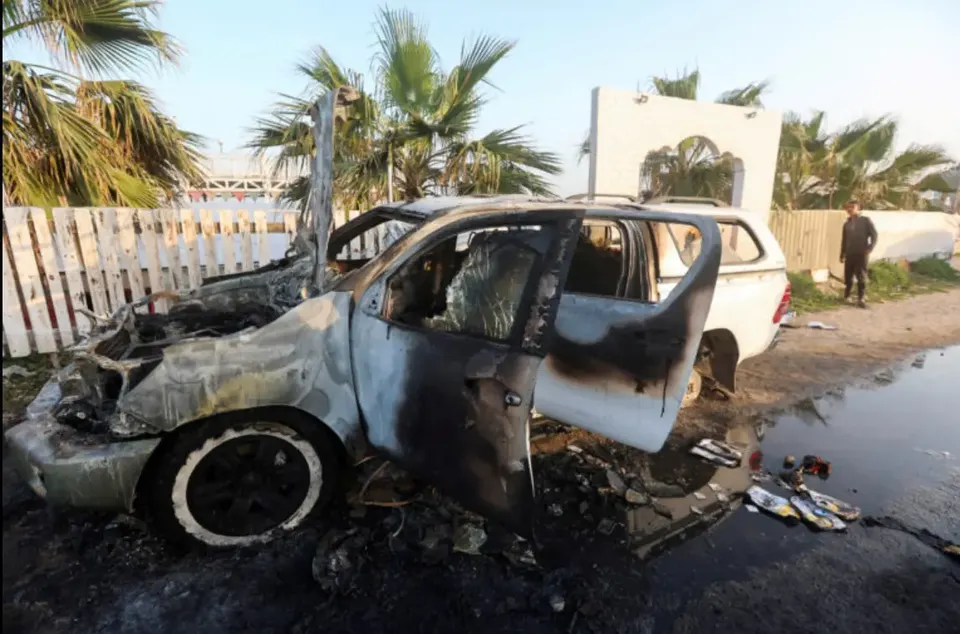
On the night of April 1, 2024, a WCK convoy was travelling along a pre-approved humanitarian route in Deir el-Balah after successfully delivering more than 100 tonnes of food aid. The vehicles were armoured, clearly marked with the organisation’s logo, and their movements had been coordinated in advance with Israeli forces. The convoy was operating in what was described as a “deconflicted zone,” a designation intended to ensure that humanitarian actors could move safely through an active war zone.
Shortly after 10:30 p.m., Israeli drones struck the convoy in a sequence of three attacks, each one hitting a separate vehicle and killing everyone inside. The pattern of strikes has led many, including the victims’ families, to question whether this was truly a mistake, as Israel later claimed, or something more deliberate. The fact that each vehicle was hit in turn has raised particular concern among analysts and humanitarian observers, who note that such sequencing implies sustained visual tracking rather than a single targeting error.
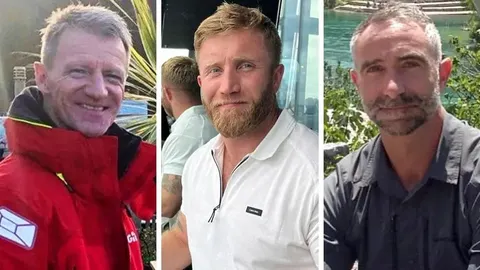
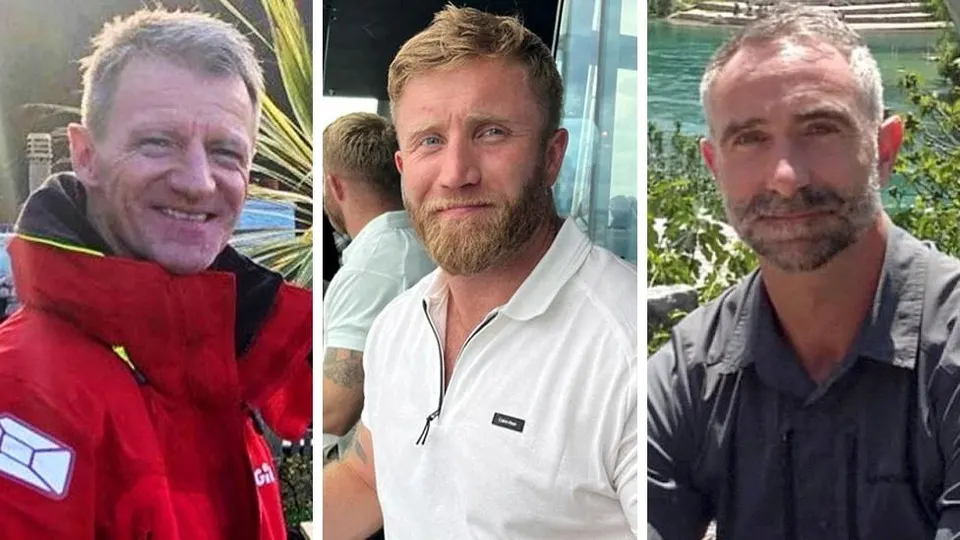
The three British victims were John Chapman, 57, a former member of UK special forces from Poole; James “Jim” Henderson, 33, a Royal Marine from Falmouth; and James Kirby, 47, a British Army veteran from Bristol who had served in Bosnia and Afghanistan. Each had transitioned from military service into humanitarian work, bringing their experience in high-risk environments to protect aid deliveries in Gaza.
Their shift from combat roles to humanitarian missions reflected a continued commitment to service, yet it was precisely this mission that cost them their lives. They had been tasked with safeguarding aid in one of the most dangerous environments on earth, operating under the assumption that coordination with military authorities would provide at least some level of protection.
The Missing Footage and Parliamentary Silence
In the immediate aftermath of the attack, the UK government called for a full and urgent investigation, and senior officials condemned the killings in strong terms. However, as months turned into years, those demands have not translated into meaningful action. Israel issued a brief internal statement describing the incident as a “grave mistake” and announced limited disciplinary measures, but no full report, operational data, or detailed findings have been made public. Britain has not escalated its demands, nor has it initiated its own independent inquiry into the deaths of its citizens.
At the centre of the controversy is the existence of surveillance footage held by the UK Ministry of Defence, which could provide crucial insight into the events of that night. A Royal Air Force Shadow R1 reconnaissance aircraft was operating over Gaza on April 1, 2024, flying from RAF Akrotiri in Cyprus and equipped with advanced sensors capable of capturing real-time imagery and signals intelligence. The Ministry of Defence has confirmed that it possesses video footage from that flight, yet it has refused to release it to the families, to Parliament, or to independent investigators, citing national security concerns.
For the families, this refusal has become one of the most painful aspects of the case, as the footage may reveal whether the convoy was being tracked, what Israeli operators could see, who authorised the strikes, and whether any warnings were issued or ignored. Reporting by Declassified UK has highlighted the significance of this withheld material, raising questions about whether both the UK and Israel may be avoiding full transparency.
The issue has been raised repeatedly in Parliament, where MPs have pressed the government for answers and for a more robust response. Caroline Lucas asked whether Britain would support an independent investigation into the killings, but the government limited its response to stating that it had urged Israel to conduct its own inquiry. Alistair Carmichael raised the possibility of a coronial inquest into the deaths of the three Britons, yet the official reply focused on reviewing Israel’s internal findings rather than committing to any independent process.
Brendan O’Hara questioned whether RAF surveillance flights over Gaza were ongoing and whether intelligence from those missions had been shared with Israel, prompting Defence Minister Luke Pollard to confirm that such flights continued while refusing to provide further details on the grounds of operational security. During a Commons debate in March 2025, MPs directly challenged the government on why the Shadow R1 footage had not been released to the families, especially given that the victims were British citizens who had served their country, yet the response offered little clarity and no timeline for disclosure.
A Pattern of Violence, A Failure of Accountability
The broader context of the war in Gaza has underscored the vulnerability of humanitarian workers. According to the United Nations, 383 aid workers were killed globally in 2025, with nearly half of those deaths occurring in Gaza. Humanitarian organisations have warned that the mechanisms designed to protect aid operations are increasingly ineffective, particularly in a conflict where coordination agreements have not prevented repeated attacks on clearly identified civilian targets.
The WCK strike has become one of the most prominent examples of this trend, illustrating the risks faced even by well-organised and internationally recognised aid groups. It has also become a case study in the limitations of diplomatic pressure when set against strategic alliances and intelligence cooperation.
On the second anniversary of the attack, Hamish Falconer stated that the UK would continue to push for justice and urged Israel to complete its investigation. Critics argue that this position effectively defers responsibility to the same military force that carried out the strike, while avoiding any independent scrutiny or release of British-held evidence. The lack of progress has led analysts and some MPs to suggest that the UK government is unwilling to jeopardise its intelligence-sharing relationship with Israel or expose its own surveillance capabilities, even in a case involving the deaths of its citizens.
For the families of John Chapman, Jim Henderson, and James Kirby, the passage of time has brought little closure. Eighteen months after the attack, they were already expressing concern about the lack of communication and transparency, and two years on, those concerns have only deepened. They continue to seek answers to fundamental questions about who authorised the strike, why a clearly marked aid convoy was targeted, what information was available to those carrying out the attack, and what the RAF aircraft recorded as events unfolded.
The deaths of these three men, who had dedicated their lives first to military service and then to humanitarian work, have come to represent a broader failure of accountability. Their case highlights the gap between public statements of concern and the actions required to establish the truth, particularly when geopolitical alliances and intelligence considerations are at stake. Until the UK government is willing to release the evidence it holds, pursue an independent investigation, or apply meaningful pressure for transparency, the circumstances surrounding their deaths will remain unresolved.
They were described by those who knew them as heroes in life, men who chose to use their skills to help others in one of the most dangerous environments on earth. Two years after their deaths, they remain at the centre of a case defined not by clarity or justice, but by silence, secrecy, and unanswered questions.