UK Journalism in 2025: Diversity Gaps, AI Pressures, and a Profession Under Strain
A major new survey of over 1,100 UK journalists paints a sobering picture of a profession still grappling with structural inequality, precarious employment, and the challenges – and risks – of technological change.
Published by the Reuters Institute for the Study of Journalism, UK Journalists in the 2020s: Who They Are, How They Work, and What They Think updates a similar 2015 study, revealing what has changed in the industry – and what stubbornly has not.
A Profession Still Dominated by the Privileged
Despite years of industry pledges to improve representation, UK newsrooms remain overwhelmingly white (90%), university-educated (91%), and middle or upper class in origin, with 71% coming from households in the top three occupational categories. Only 12% grew up in working-class homes.
Ethnic minority journalists remain underrepresented compared to national population figures – just 1.3% are Black and 3% Asian, well below census data – and they are less likely to hold management roles. Women, while making up half of the profession overall, are far less represented after the age of 50, a pattern mirrored among ethnic minority journalists. Researchers warn this could point to age discrimination, particularly in sectors like television.
Shifting Employment Landscape
Permanent contracts have dropped from 74% in 2015 to 65% in 2023, with freelancers now making up 28% of the workforce. This rise in freelance and fixed-term work reflects broader precarisation in the media industry.
The median annual income for journalists sits between £37,500 and £45,000 after tax – but the gender pay gap remains stark. Men earn more on average, are more likely to have permanent contracts, and are overrepresented in top management roles. Journalists over 40 also earn significantly more than their younger colleagues.
Hybrid Work Becomes the Norm
Post-pandemic working habits are entrenched. Most journalists work from home at least three days a week, with the median being 24 hours – roughly three working days – spent away from the office. While this flexibility is welcomed by many, it also risks blurring boundaries between work and personal life, contributing to stress and burnout.
AI in the Newsroom
Automation, once a novelty, is now embedded in some editorial workflows. Seven percent of journalists work in newsrooms using automated text production, and 10% in those using personalised news distribution. While AI can reduce drudgery and speed up production, those in AI-enabled newsrooms report feeling less secure in their jobs and less free to choose their stories.
Safety Threats and Mental Health
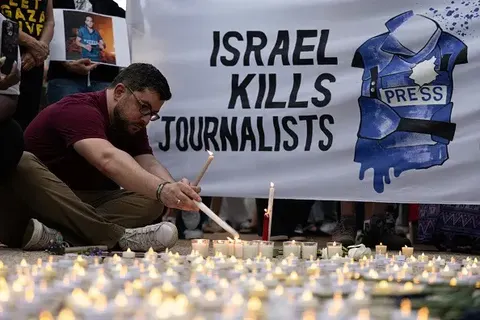
Just 18% of journalists said they had never experienced safety threats over the past five years. Nearly half have faced demeaning or hateful speech, and over a third have been publicly discredited. Women are disproportionately affected: 22% reported experiencing sexual violence, compared to 4% of men, and 60% said they felt stressed at work often or very often.
Political Leanings and Public Role
Journalists have shifted leftward politically since 2015, with 77% now placing themselves on the left, up from 54%. They see their top roles as educating the public, countering disinformation, and acting as detached observers. Activist roles have gained in importance, while commercial audience-chasing roles have declined.
Yet ethical certainty is weakening. In 2015, 94% said journalists should always follow professional codes; by 2023, fewer than 60% agreed. Many now say ethics can be set aside in “extraordinary circumstances” – a shift raising questions about professional standards under pressure.
An Industry at a Crossroads
The report depicts a sector under economic, cultural, and technological strain – one where old inequalities persist even as new threats emerge. The rise of AI, the normalisation of hybrid working, and sustained hostility towards reporters are reshaping the job.
But amid these pressures, the survey finds continued commitment to core journalistic values. As Pete Clifton, former PA Media editor-in-chief, notes in the foreword: “There are still so many journalists committed to providing quality, accurate, and impartial content… often in the face of adversity.”
The question for the next decade is whether the industry can translate that commitment into a more inclusive, secure, and resilient profession – or whether the warning signs in this report will be left unheeded.