UNITAID Investments to Bring Innovative HIV Diagnostic Technologies to World's Poorest
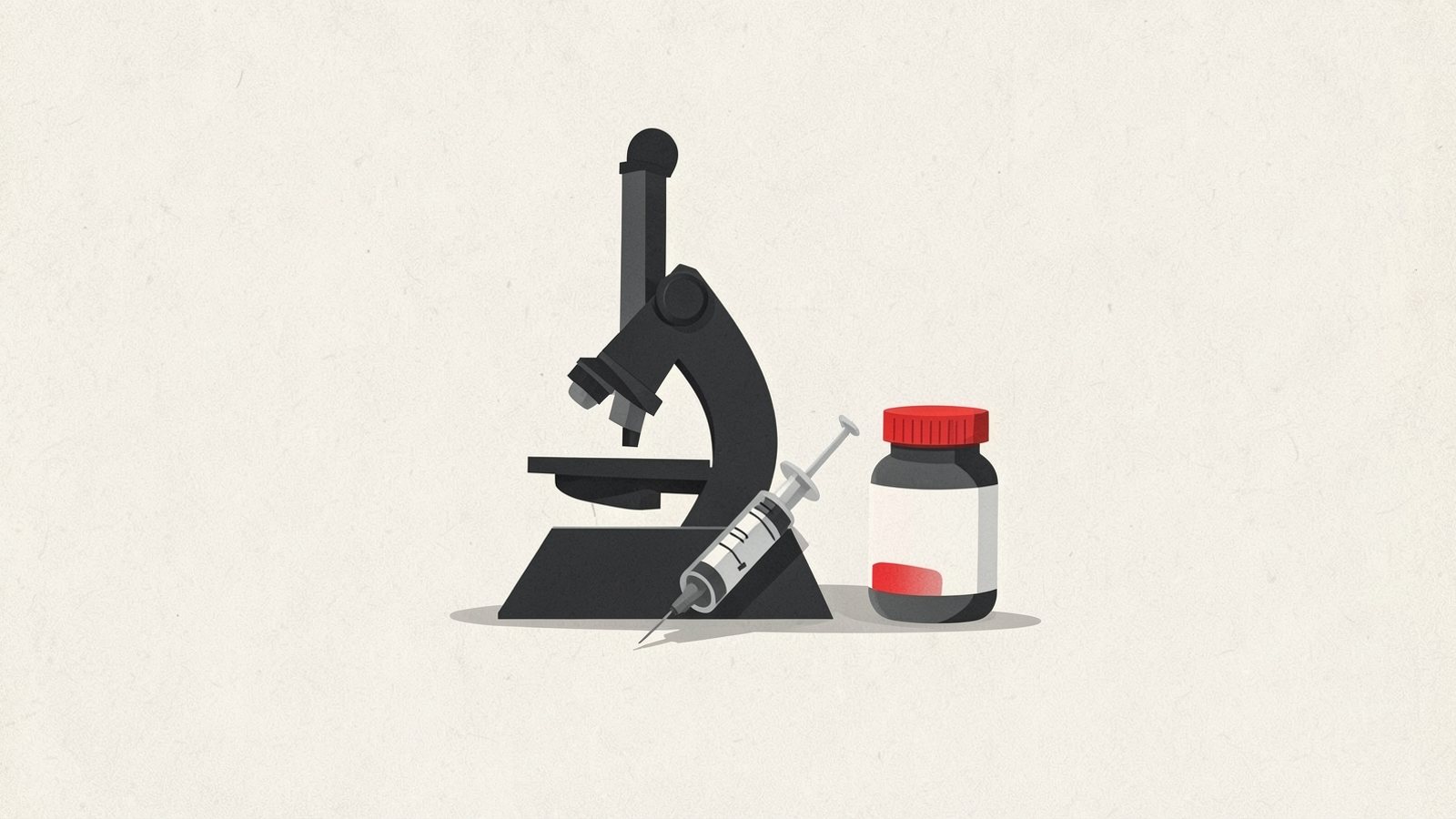
UNITAID today announced the largest investment yet in “point-of-care” and decentralized HIV diagnostic products to bring life-saving technologies out of the drug development pipeline and into remote communities most affected by the epidemic.
UNITAID expects to commit more than US$ 140 million to projects implemented by the Clinton Health Access Initiative (CHAI), UNICEF and Médecins Sans Frontieres (MSF) to increase access to affordable point-of-care HIV diagnostics adapted for use in low-tech settings. These technologies can revolutionize the HIV/AIDS response in low-income countries by moving essential HIV testing and monitoring away from centralized laboratories and closer to the site of patient care.
With very few of these products approved for use, UNITAID will also use these committed funds to help new manufacturers with tests in late-stage development get over the hurdles to putting their products on the market. Accelerated market entry of these products will give developers the incentive to enter the market and compete and continue to innovate.
“While we’ve made progress in reducing life-saving antiretroviral prices for low-income countries, access to these medicines has been stymied by limited availability of diagnostics,” said UNITAID Executive Director Denis Broun. “Until we bridge this access gap for diagnostic technologies, it will be impossible to really turn the tide on HIV in low-income countries.”
UNITAID investments will target point-of-care products for three most critical diagnostic tests for HIV: CD4 Testing to determine when a patient should start treatment; Early Infant Diagnosis to determine antiretroviral eligibility for infants and Viral Load Testing to determine when to switch to alternative treatments. These tests all have limited access due to existing technologies that are expensive, require significant infrastructure and training, and are largely inappropriate for resource-limited settings.
The technology of point-of-care machines has improved dramatically in recent years. What was once a bulky machine carried on the bed of a truck is now a shoe-box sized unit that can be easily carried by hand.
In seven African countries, CHAI and UNICEF will catalyze a global market for new point-of-care diagnostics to expedite availability and access to these affordable breakthrough technologies. MSF will help countries, developers, and funders better understand how novel HIV diagnostics fit within a healthcare system, and drive needed policy change to allow products to be used in-country.
UNITAID is a global health initiative launched in 2006 by the Governments of Brazil, Chile, France, Norway and the United Kingdom to provide sustainable funding for the fight against HIV/AIDS, malaria and tuberculosis. About 70% of UNITAID’s funds come from a small levy on airline tickets. Through implementers, UNITAID finances the purchase of quality-assured drugs and diagnostics for patients in poor countries, using its market power to expand supply, promote development of new and better products, cut delivery lead times and reduce prices.