
Just one day before an Israeli judge formally acknowledged that 17-year-old Walid Ahmad had “apparently been starved” in detention, another case emerged that cast a harsh and unsettling light on the same system. An 18-month-old Palestinian toddler, Karim Abu Nassar, was reportedly subjected to extreme abuse during interrogation, allegedly burned and pierced in an attempt to force a confession from his father.
The allegation, detailed in earlier reporting by GreatReporter, was so disturbing that it drew rare expressions of shock even from seasoned observers of the conflict. Yet it did not stand alone. It appeared amid mounting evidence, from former detainees, human rights organisations and United Nations officials, suggesting that the treatment of Palestinians in Israeli custody has undergone a profound and deeply troubling shift since October 2023.
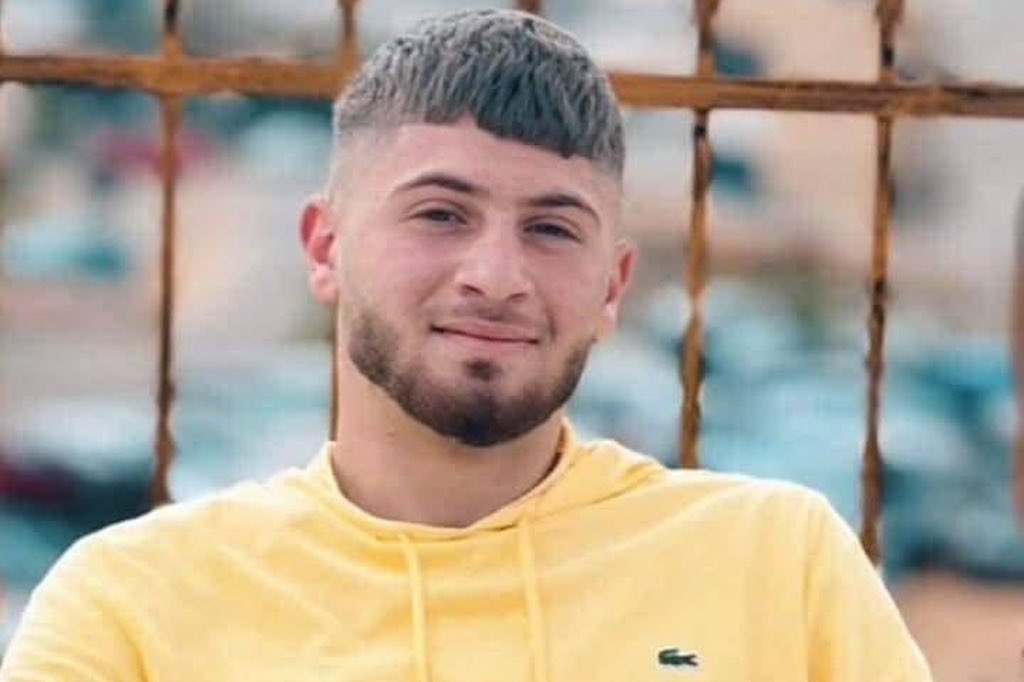
Within that context, the death of Walid Ahmad assumes a significance that goes far beyond a single case. Unlike the toddler, Walid did not survive. His death, and the subsequent legal ruling that closed the case without charges, offers a stark and unusually well-documented window into conditions inside Israel’s detention system at a time of war.
A Witness from Inside the Cell
By the time 16-year-old Palestinian-American detainee Mohammed Ibrahim was brought into Megiddo prison, Walid Ahmad was already in visible physical decline. Ibrahim would later describe him as “skin and bones”, a boy whose condition stood out even in an environment where deprivation and illness were widespread. Walid was constantly shivering, suffering from severe diarrhoea and unable to keep food down, while a scabies outbreak had spread throughout the prison, leaving detainees scratching their skin raw in the absence of basic hygiene or treatment.
According to Ibrahim’s account, the boys in the cell became increasingly concerned as Walid’s condition worsened, repeatedly asking guards to allow him access to a doctor. Those requests, he said, were refused. Ibrahim’s testimony carries particular weight not only because he shared a cell with Walid during his final days, but because he is a U.S. citizen, a fact that drew concern from members of Congress and placed unusual diplomatic attention on his case. He himself was detained for months without charge, lost a significant amount of weight, and developed scabies under the same conditions he describes.
Such testimony is difficult to verify in isolation, yet it closely mirrors a broader pattern that has emerged from multiple independent sources. For years, Palestinian child detainees have reported physical abuse, coercive interrogation practices and denial of basic rights. Since the escalation of the Gaza war, however, those accounts have become more severe and more consistent. Former detainees have described extreme weight loss, untreated infections and a level of deprivation that goes beyond poor conditions into something more systemic. Israeli authorities reject allegations of widespread abuse and maintain that detention facilities operate within legal standards, but the accumulation of testimony presents a picture that is increasingly difficult to reconcile with those assurances.
A Slow and Preventable Death
What is clear from both medical findings and eyewitness accounts is that Walid Ahmad’s death was not the result of a sudden or isolated event. It was the culmination of a gradual physical deterioration that unfolded over weeks, and likely months. Autopsy results and medical reviews pointed to extreme malnutrition, severe dehydration, intestinal inflammation consistent with colitis, infection, and scabies. Reports from his lawyer and family indicated that he had complained of inadequate food as early as December 2024, while prison clinic records suggest he had been seen for medical issues in the months leading up to his death. His father, who saw him only through remote court appearances, observed a visible decline in his condition over time.
Mohammed Ibrahim spent just twelve days in the same cell as Walid, yet in that short period he witnessed the final stage of that decline. Walid remained unable to eat properly, his illness progressed, and his physical weakness became increasingly pronounced. By the time of his collapse, his body appears to have been in a state where even a relatively minor additional stress could prove fatal.
That final moment came on March 22, 2025. During a brief period outside the cell, Walid collapsed, falling forward and striking his face on the ground with enough force to split open the bridge of his nose. A pool of blood formed around him. Other detainees rushed to help but were reportedly met with pepper spray. Walid regained consciousness briefly, looking around in apparent confusion and fear, before losing consciousness again. According to eyewitness accounts, a guard then arrived and dragged his motionless body across the floor by his hair. Other detainees had already been calling for assistance before the collapse, but those calls, it is alleged, went unanswered.
Walid Ahmad died shortly afterwards. He had been held for approximately six months and had never been formally charged with a crime. His lawyer had reportedly been denied meaningful access, and his family’s only contact had been through video hearings in which they watched his condition deteriorate. Following his death, his body was withheld, a practice that has itself drawn criticism in other cases.
Acknowledged, Then Dismissed
The legal aftermath has proven as controversial as the circumstances of his death. In 2026, an Israeli judge concluded that Walid had “apparently been starved”, a finding that might ordinarily be expected to trigger a criminal investigation. Instead, the case was closed. The court ruled that a direct causal link between his condition and his death could not be established to the standard required for prosecution. The result is a conclusion that many observers have found difficult to reconcile: a minor may have been starved in custody, yet no individual or institution bears legal responsibility.
For those following the broader pattern of detention-related allegations, the case is significant not because it is unique, but because it is so consistent with other reports. Thousands of Palestinians remain in Israeli custody, many without formal charges under administrative detention procedures. Testimonies collected from released detainees describe a system marked by overcrowding, restricted access to food and water, denial of medical care and, in some cases, physical abuse. International concern has grown steadily, with calls for independent investigations and greater oversight, while Israeli officials continue to deny that abuses are systemic.
Placed alongside the earlier allegation involving the torture of a toddler, Walid Ahmad’s death illustrates what appears to be a continuum of harm within the same system, ranging from acute acts of violence during interrogation to prolonged neglect in detention. One case involves an infant subjected to alleged brutality in an effort to extract information. The other involves a teenager whose body gradually failed under conditions of deprivation and illness. Together, they raise questions not only about individual incidents, but about the structures and policies that allow such cases to occur.
In the end, the known facts of Walid Ahmad’s final moments are stark. A severely weakened boy collapses in a prison yard. Other children attempt to help and are driven back. He briefly regains consciousness, looks around in fear, and then loses it again. He dies soon afterwards. A court acknowledges that he was apparently starved, but closes the case. The system continues to operate.
What remains unresolved is not simply the precise medical mechanism of his death, but the broader question it raises. How does a 17-year-old boy, held without charge, deteriorate to the point of extreme malnutrition and die in custody, in a system under constant scrutiny, without any finding of criminal responsibility?