
A peace appeal submitted by survivors of the atomic bombing of Nagasaki has been returned to its senders after the Embassy of Israel in Japan reportedly refused to accept the document, in an incident that has sparked concern among anti-nuclear campaigners and raised questions about the willingness of governments to engage with humanitarian voices.
The statement, authored by members of the Nagasaki Atomic Bomb Survivors Council, was intended as a direct appeal for restraint amid escalating tensions involving Iran. Representing hibakusha—survivors of the 1945 atomic bombing—the group has spent decades campaigning for nuclear abolition and warning of the catastrophic consequences of modern warfare.
Instead of being received, the document was returned via postal channels, reportedly marked as “refused,” indicating it had not been accepted or processed by embassy staff.
A Warning From History
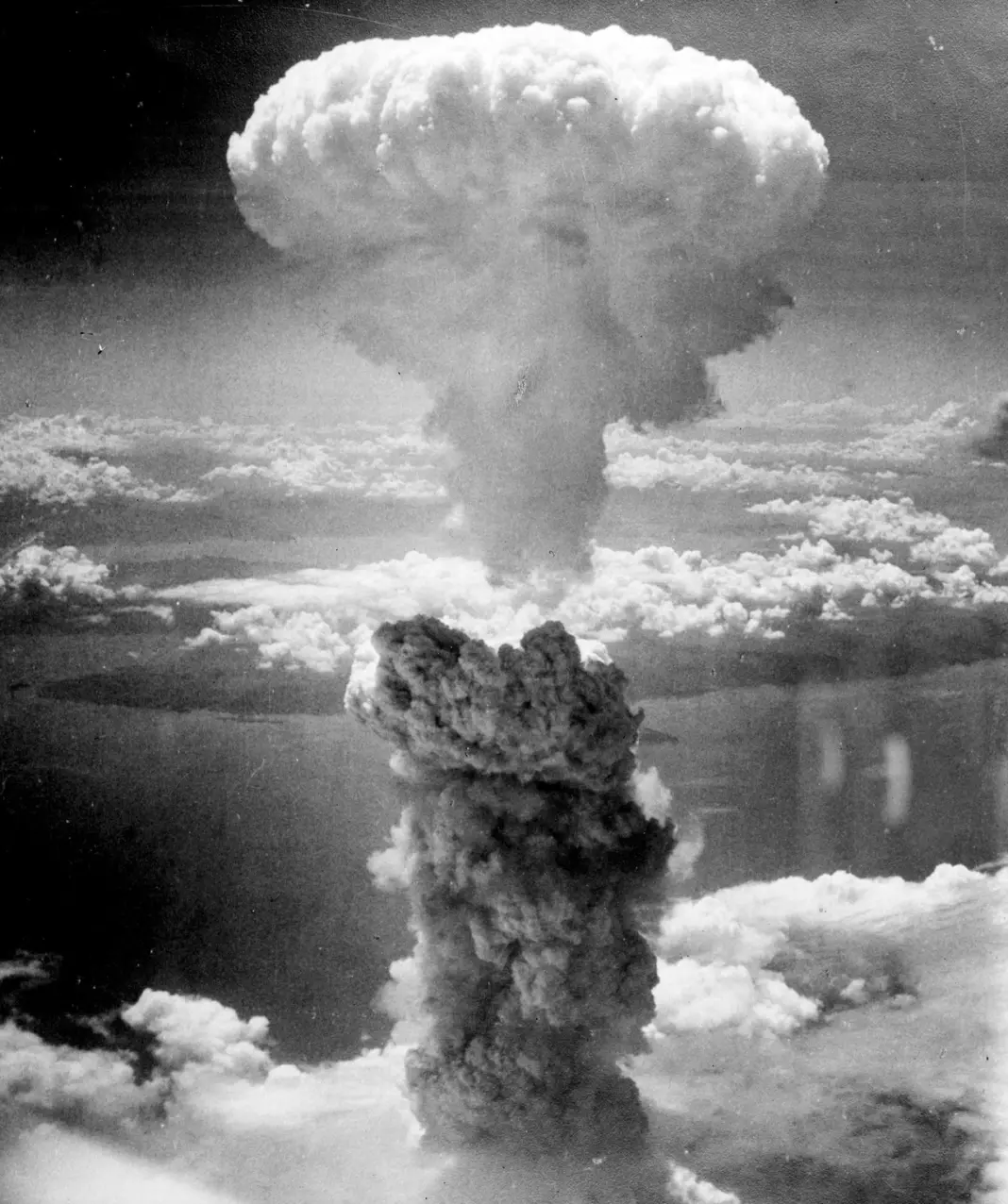
The appeal drew its moral force from the legacy of the Atomic bombings of Hiroshima and Nagasaki, in which tens of thousands were killed instantly and many more suffered lifelong injuries and radiation-related illnesses.
While the full text of the statement has not been publicly released in full, reporting from Japanese media indicates that it warned against military escalation and highlighted the ever-present risk of nuclear confrontation in an increasingly volatile global landscape.
The message was framed not in political or strategic terms, but in humanitarian ones—grounded in lived experience of nuclear devastation and the enduring trauma carried by survivors.
Based on consistent summaries of the document, the appeal emphasized the urgent need to avoid further escalation:
“As survivors of the atomic bombing, we cannot remain silent in the face of actions that risk escalating into a wider and potentially nuclear conflict.”
“The use or threat of nuclear weapons brings unimaginable human suffering. This must never be repeated anywhere in the world.”
“Returned Without Being Read”
Shigemitsu Tanaka, head of the council and himself a survivor of the Nagasaki bombing, expressed alarm at how the statement was handled.
According to reports, Tanaka suggested that the document appeared to have been returned without being opened or considered—a response he said reflects a troubling unwillingness to engage with calls for restraint.
His reaction, based on reported comments, underscores the group’s frustration:
“It is deeply troubling that our appeal was returned without being read. Dialogue is essential, especially in times of crisis.”
“We speak not as politicians, but as witnesses to the consequences of nuclear war.”
For Tanaka and other survivors, the refusal represents more than a bureaucratic decision; it signals a broader erosion of space for moral and humanitarian appeals in international discourse.
Diplomatic Tensions in the Background
The incident comes amid wider diplomatic sensitivities involving Israel and Nagasaki. In recent years, tensions have surfaced over ceasefire appeals and controversies surrounding participation in atomic memorial events.
Nagasaki, like Hiroshima, occupies a unique place in global consciousness as a symbol of nuclear devastation. Its annual commemorations serve not only as acts of remembrance but as calls for the abolition of nuclear weapons worldwide.
That a message from such a constituency would be formally refused has resonated deeply among peace advocates, who view the hibakusha as among the most authoritative voices on the human cost of war.
A Consistent Call for Disarmament
For decades, hibakusha groups have sought to engage governments across the political spectrum, urging restraint and dialogue in times of crisis. Their advocacy has spanned Cold War nuclear tensions and extended into contemporary conflicts involving nuclear-armed states and their allies.
Their message has remained consistent: that the horrors of nuclear war must never be repeated, and that even conventional conflicts carry the risk of escalation beyond control.
As one reconstructed passage from the statement suggests:
“Our experience in Nagasaki compels us to speak out against any path that could lead humanity toward another nuclear catastrophe.”
Silence Over Engagement
The return of the statement—unopened and unacknowledged—has left its authors questioning whether the world is still willing to listen to those who have witnessed the ultimate consequences of war.
At a time of rising geopolitical tension, renewed nuclear rhetoric, and deepening global divisions, the episode underscores a stark reality: that even the most powerful moral testimonies can be met not with dialogue, but with silence.
For the survivors of Nagasaki, however, the responsibility to speak out remains unchanged.