
More than fifty international humanitarian organisations have issued an extraordinary joint warning after Israel moved to revoke the operating licences of dozens of aid groups working in Gaza and the occupied West Bank, a decision they say will shut clinics, block food deliveries and cut off life-saving care for hundreds of thousands of civilians.
In a collective statement, the NGOs said Israel’s new registration regime is not a technical or administrative measure but a political act that violates the laws governing armed conflict and occupation. “Humanitarian access is not optional, conditional, or political — it is a legal obligation under international humanitarian law,” the organisations declared, warning that the move would “close health facilities, halt food distributions, collapse shelter pipelines, and cut off life-saving care for children and other vulnerable civilians.”
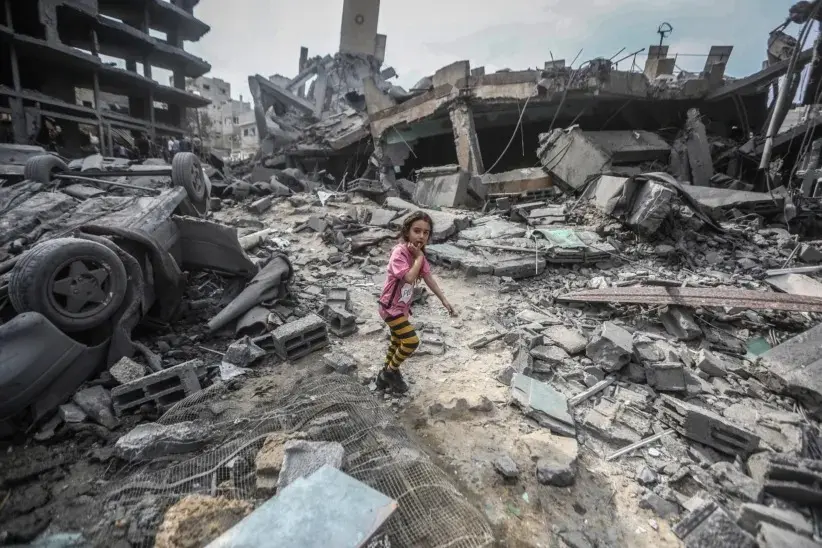
The crackdown comes as Gaza faces one of the worst humanitarian emergencies in modern history, with widespread displacement, destroyed infrastructure, hunger, and a winter that has left families exposed in tents and makeshift shelters.
A sweeping deregistration
At the start of the new year, Israel began enforcing a new regulatory framework requiring international non-governmental organisations to re-register under stringent “security and transparency” conditions or face the loss of their operating permits. Israeli officials say the measures are necessary to prevent militant infiltration and require NGOs to submit detailed information about staff, including Palestinian employees, for security vetting.
Under the policy, at least 37 international organisations were informed that their licences had been revoked as of January 1, with a final deadline in early spring to cease all operations in Gaza, the West Bank and East Jerusalem if they do not comply.
Among the affected groups are some of the largest and most experienced humanitarian agencies in the world, including Médecins Sans Frontières (Doctors Without Borders), Oxfam, CARE International, World Vision, the Norwegian Refugee Council, the International Rescue Committee, Mercy Corps and Action Against Hunger—organisations that provide emergency medical care, food aid, clean water, shelter and protection services to Palestinians living under siege and occupation.
“A deliberate policy choice”
The joint NGO statement rejected Israel’s framing of the decision as bureaucratic. The organisations said the licence withdrawals represent a “deliberate policy choice with foreseeable consequences” for civilians who depend almost entirely on international aid for survival.
They warned that deregistration would immediately interrupt medical services, including trauma care and treatment for chronic illnesses, halt food and nutrition programmes, disrupt shelter and winterisation pipelines, and undermine water and sanitation systems that are already on the brink of collapse.
The NGOs also cautioned that the policy sets a dangerous precedent by extending Israeli authority over humanitarian operations in occupied territory, undermining the internationally recognised legal framework that governs both humanitarian access and the role of the Palestinian Authority.
UN and allied governments alarmed
The move has triggered strong international concern. United Nations Secretary-General António Guterres said he was “deeply concerned” by Israel’s suspension of NGO operations and warned that it would further degrade an already catastrophic humanitarian situation. He urged Israel to reverse the decision and allow aid agencies to work freely.
Several of Israel’s closest allies—including European governments, the United Kingdom, Canada and Japan—have also raised objections, warning that blocking humanitarian organisations violates international humanitarian law and risks mass civilian harm.
Human rights officials have likewise criticised the measure, saying that tying humanitarian access to political or security conditions erodes the principles of neutrality and independence that allow aid workers to operate in conflict zones.
What is at stake
Humanitarian agencies stress that Gaza’s survival depends on the infrastructure they operate. After more than two years of war, most hospitals have been damaged or destroyed, food production has collapsed, clean water is scarce, and hundreds of thousands of people are living in temporary shelters.
Aid groups provide not only food and medicine, but also vaccination campaigns, maternal care, emergency surgery, trauma counselling, water purification and protection services for children. Losing dozens of experienced international NGOs at once would create a vacuum that no other actor is capable of filling.
Critics say the policy also places local Palestinian staff at risk by demanding sensitive personal data that could expose them to detention or retaliation, undermining trust and the ability of aid agencies to recruit and retain workers on the ground.
Israel’s justification
Israeli authorities argue that the new rules are designed to ensure that humanitarian organisations are not exploited by armed groups and say that NGOs unwilling to comply have something to hide. Officials insist that aid can still be delivered through other channels and that Israel remains committed to humanitarian principles.
Aid groups counter that security screening of staff is already standard practice and that the new regime goes far beyond reasonable safeguards, amounting instead to political control over who is allowed to provide assistance to Palestinians.
A confrontation over the laws of war
At its core, the dispute is a clash over the rules governing war and occupation. Under international humanitarian law, an occupying power is obligated to facilitate relief for civilians and allow impartial humanitarian organisations to operate. The NGOs argue that Israel’s licence revocations violate those obligations by making life-saving aid conditional on political compliance.
In their statement, the organisations called on Israel to halt the deregistration process immediately and urged donor governments to use diplomatic and financial leverage to force a reversal.
As Gaza enters another winter of displacement, hunger and disease, the aid groups warn that the cost of inaction will be measured in lives.
“Humanitarian access is not optional, conditional, or political,” they said. “It is a legal obligation.”