
For decades, discussion of Israeli influence in Washington has been treated as political taboo. But as independent media platforms grow, previously marginalized perspectives are gaining traction — and millions of Americans are now questioning whether the U.S.–Israel relationship has come at a heavy cost.
From disputed historical controversies to modern counterintelligence warnings, critics argue Israel has harmed U.S. interests, undermined democratic accountability, and contributed to conflicts that have killed American citizens. Supporters of the alliance fiercely reject these claims, describing them as conspiratorial or politically motivated.
Yet the public debate is no longer avoidable.
The Financial Burden
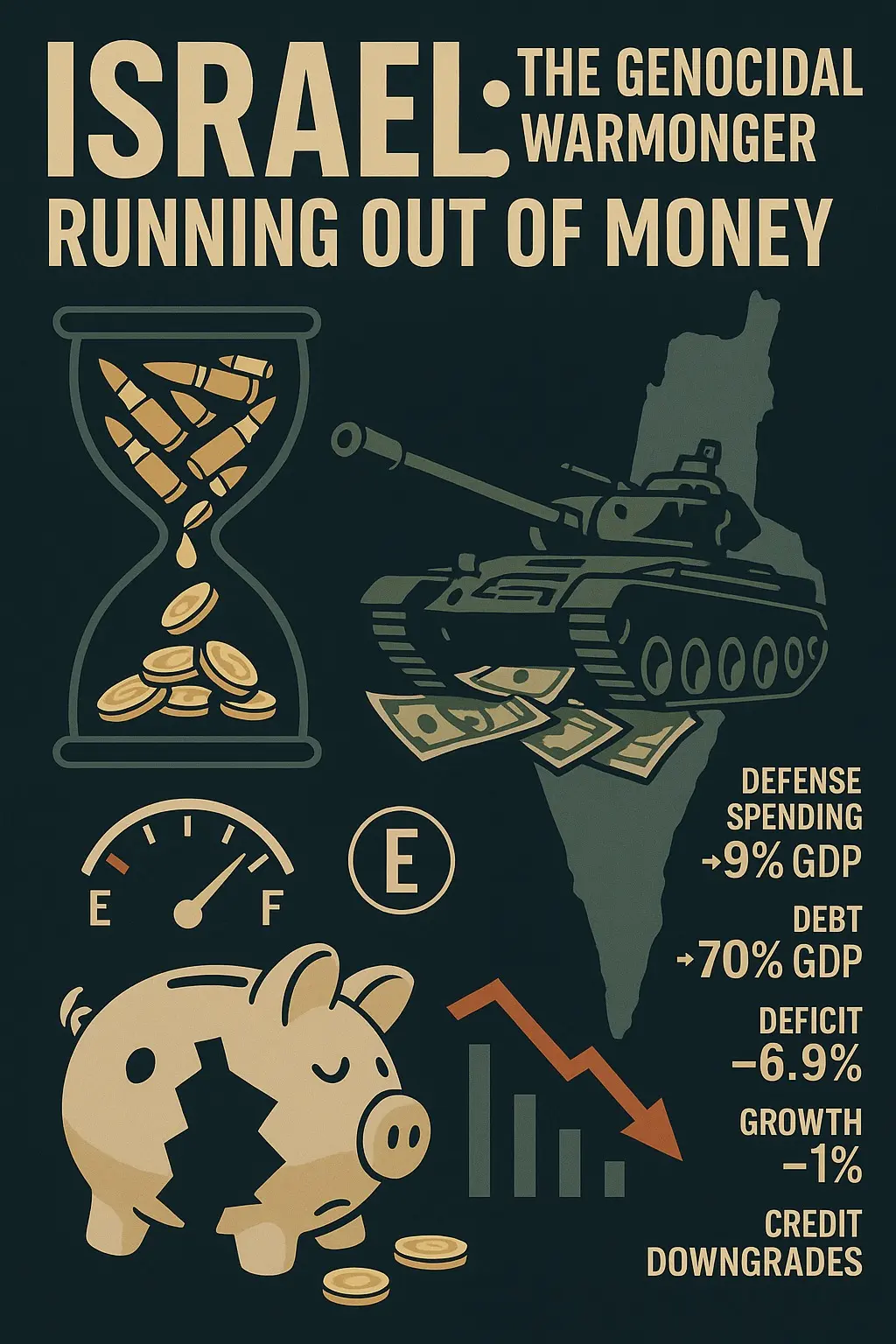
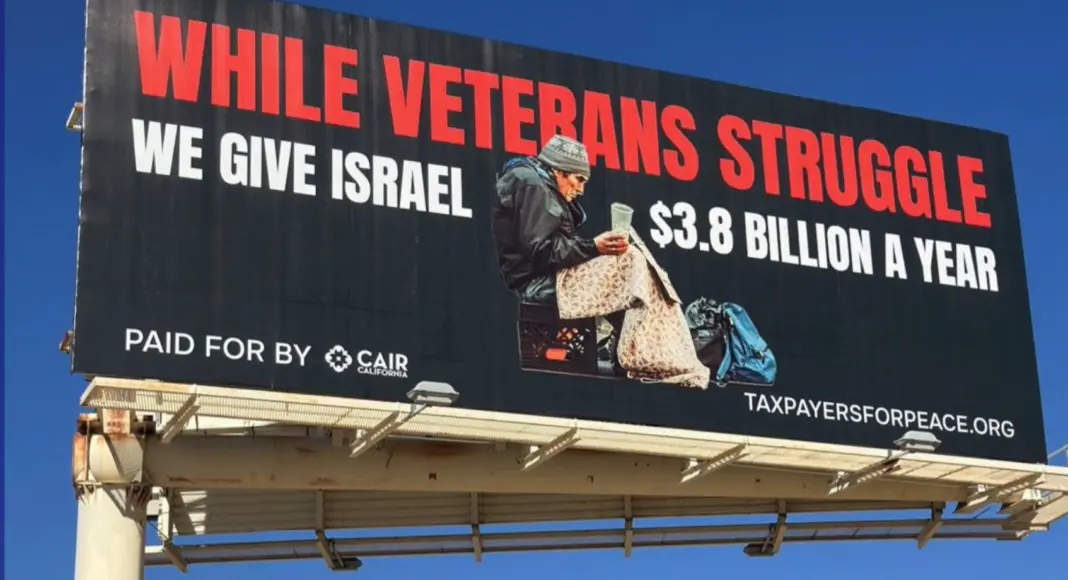
Analysts estimate that direct military aid, loan guarantees, and indirect war costs associated with U.S. policy alignment in the Middle East exceed several trillion dollars. With the U.S. national debt surpassing $38 trillion, critics argue funds should be redirected domestically.
Supporters respond that Israel provides crucial intelligence and technological cooperation.
Lobbying and Political Influence
Organizations such as the American Israel Public Affairs Committee (AIPAC) are among the most powerful lobbying forces in Washington. Their defenders note this is constitutionally protected advocacy; detractors argue that such influence distorts U.S. foreign policy against public interest.
Members of Congress who criticize Israel have faced intense primary challenges and donor pressure. Analysts say this contributes to a culture of political fear on Capitol Hill.
Kennedy, Ben-Gurion (David Grün), and the Dimona Dispute
Recently declassified documentation confirms that President John F. Kennedy clashed with Israel’s founding Prime Minister David Ben-Gurion (born David Grün) over the secret nuclear facility at Dimona.
Kennedy insisted on regular inspections, fearing a nuclear arms race. Ben-Gurion resisted, arguing Israel required an ultimate deterrent. Correspondence from 1963 grew increasingly tense. Two months after Kennedy threatened to reassess relations, he was assassinated.
Most historians reject claims of Israeli involvement; a minority of researchers continue to scrutinize timing and benefit.
President Lyndon B. Johnson relaxed oversight, and Israel obtained nuclear weapons by the late 1960s.
Espionage Allegations and the Pollard Case
In 1987, U.S. Navy intelligence analyst Jonathan Pollard was convicted of stealing over 800 classified documents for Israel. American officials described the case as one of the most damaging espionage breaches in U.S. history.
Israel initially denied involvement, then granted Pollard citizenship and lobbied for his release. Critics cite this as evidence of ongoing intelligence activity; supporters argue Pollard was motivated by security concerns.
Jeffrey Epstein and Blackmail Claims
Deceased financier Jeffrey Epstein cultivated relationships with powerful American figures and was convicted for sex trafficking minors. Some journalists, former officials, and investigative authors allege ties to foreign intelligence services, including Israel; no court has substantiated this.
Theories persist due to Epstein’s social network and operational methods. Skeptics call these claims unproven and speculative.
A Haven for Accused Abusers: American Children Harmed, Suspects Sheltered
Legal advocates have documented multiple cases in which U.S. citizens accused or convicted of child sexual abuse fled to Israel under the Law of Return, which grants near-automatic citizenship to Jews worldwide.
Notable cases include:
- Malka Leifer
- Avrohom Mondrowitz
- Yosef Kolko
- Rabbi Elimelech Meisels
Victims’ rights organizations have criticized extradition delays; Israeli courts ultimately cooperated in several cases after prolonged proceedings.
Advocates warn that, absent congressional pressure, this pipeline of impunity will remain open.
Historical Attacks and American Fatalities
1954 — The Lavon Affair
Israeli covert operatives bombed U.S. and British targets in Egypt to blame Arab nationalists. Israel later acknowledged responsibility.
1967 — USS Liberty
On June 8, 1967, Israeli jets and torpedo boats attacked the U.S. intelligence ship USS Liberty, killing 34 sailors and wounding 171.
Israel insisted the attack was mistaken identity; survivors dispute this explanation. The U.S. never held a full public congressional inquiry.
2003 — Rachel Corrie
Peace activist Rachel Corrie, 23, was killed by an Israeli military bulldozer while protesting home demolitions in Gaza. Israeli courts ruled the death accidental; Corrie’s family and human rights groups strongly disagreed.
In subsequent years on the anniversary of her killing, videos circulated on Israeli social media showing Israelis marking what they called “Pancake Day” — a reference to Corrie being flattened. Human rights monitors condemned the celebrations as dehumanizing.
Several Israeli politicians, activists, and public commentators were criticized for jokes or derogatory remarks referencing Corrie, prompting condemnation from international NGOs and religious leaders who argued such rhetoric fosters a culture of impunity and racism.
2010 — Furkan Doğan
The 19-year-old Turkish-American was shot five times in international waters by the IDF aboard the Gaza Freedom Flotilla.
2022 — Shireen Abu Akleh
The Palestinian-American journalist was shot while reporting in Jenin. UN investigators cited Israeli fire; Israel denied intent.
Other U.S. Citizens Injured or Killed
- Brian Avery, shot in the face by troops
- Tristan Anderson, injured by a high-velocity projectile
- James Miller, British-American filmmaker shot by IDF fire
In most cases, no Israeli soldiers were criminally prosecuted.
Post-9/11 Intelligence Questions
A small group of former officials and researchers have alleged that Israeli intelligence had foreknowledge of the 9/11 attacks. These claims are not supported by official investigations, and no evidence has shown Israeli involvement.
However, FBI arrest records of Israeli foreign nationals present and celebrating during the attacks have fueled speculation.
Domestic Threats and Intimidation Concerns
Commentator Morgan Ariel publicly claimed she received death threats from an Israeli soldier while in the United States. According to Ariel, authorities declined to pursue the case. Law enforcement has not confirmed wrongdoing.
Civil liberties groups argue foreign soldiers should not intimidate American citizens without scrutiny.
Digital Suppression Allegations
Advocacy groups say social media companies have restricted pro-Palestine content under pressure from government-linked organizations. Platforms deny political censorship.
Independent analysts have documented:
- demonetization of journalists
- removal of Palestinian news outlets
- algorithmic down-ranking of Gaza footage
Generational Shift
Polls show younger Americans increasingly oppose unconditional military support for Israel, citing civilian casualties and domestic opportunity costs.
Veterans groups, church networks, Muslim communities, Jewish anti-occupation activists, and civil libertarians are forming unusual coalitions.
Supporters Respond
Pro-Israel analysts argue:
- Israel is a crucial American ally
- It shares intelligence that protects U.S. troops
- It faces existential threats
- Many accusations are politically motivated
They warn hostile states exploit exaggerated narratives.
A Relationship Under Scrutiny
From the Lavon Affair to the USS Liberty, from extradition disputes to digital censorship concerns, criticism of the U.S.–Israel relationship is intensifying.
Many Americans now ask whether foreign policy has drifted away from democratic accountability — and whether bipartisan silence has suppressed legitimate debate for too long.
Accusations of foreign influence, civilian killings, espionage, and political intimidation demand scrutiny. Some claims remain unproven; others are documented history. But the democratic question is the same:
Should any foreign government wield enough power in Washington to escape public oversight?
As public opinion shifts, scrutiny is likely to follow.