Russian Teens Want Some Sharapova Success
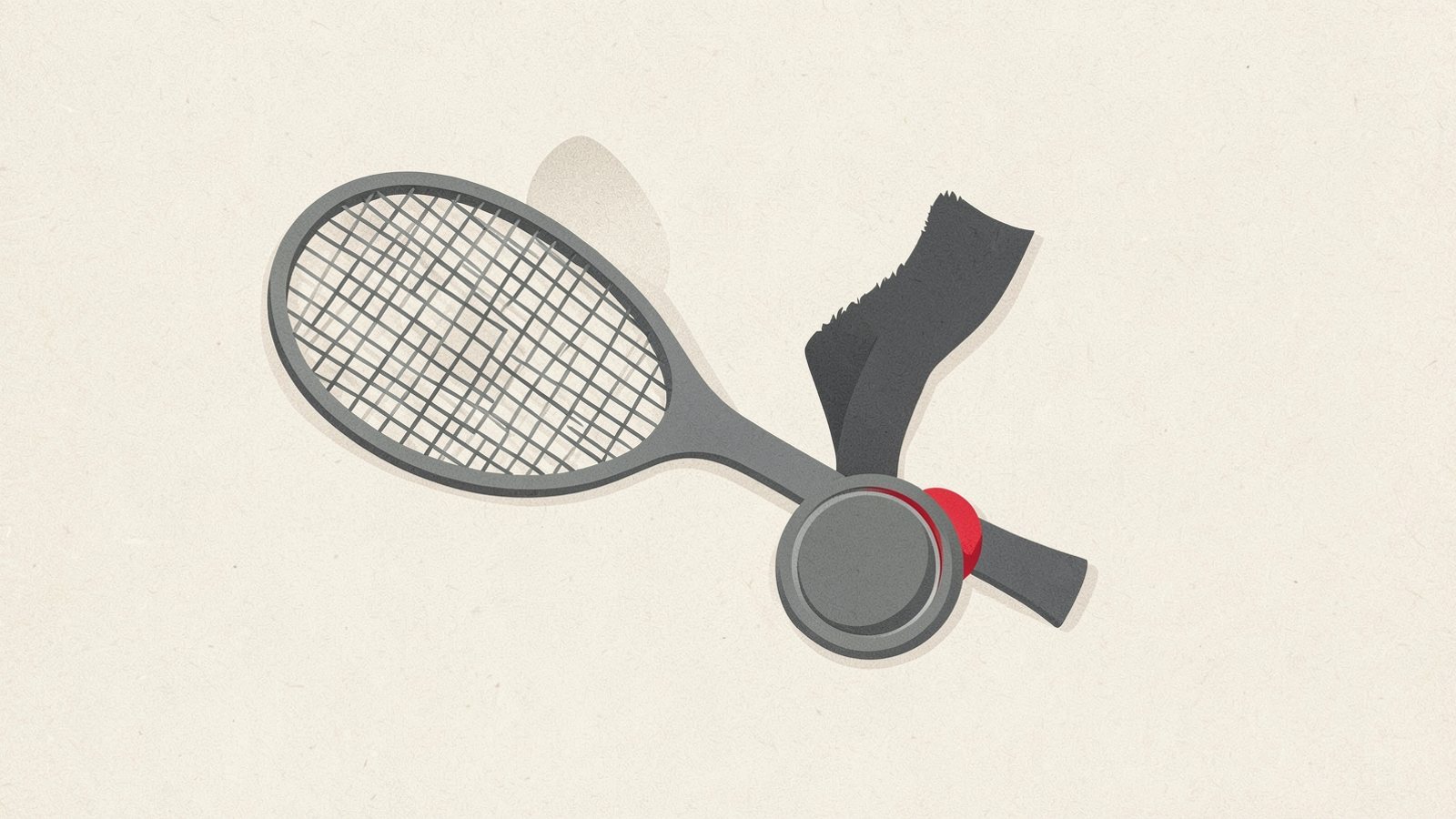
Golden girl of women's tennis, Maria Sharapova, and her rise to world Number One sees a new generation of Russians heading to the court to emulate her success...
"The phone has been ringing around the clock for registrations since mid-August," says Igor Volkov, a coach at Moscow's famous Spartak tennis academy.
The academy now has 190 places compared to around 30 in 1994 but, since Sharapova became the first Russian woman to top the WTA world rankings last month, they've had to turn eager teenagers away.
"I would like to become as good as her and earn as much money as her," said 15-year-old Yuliya Livotova at the school.
Sharapova, the blonde tennis star with the top model looks, won Wimbledon last year aged just 17.
Since then her advertising contracts have netted her over $18m (14.7m euros) and by many accounts she has become the biggest earner in women's sport.
Sharapova, who was born in Siberia but has been living in Florida since she was eight, is not the first Russian player to popularise tennis.
Former Russian president and tennis enthusiast Boris Yeltsin restored the image of a sport once considered too bourgeois by the country's Communist leaders.
Anna Kournikova, another blonde tennis star with spectacular looks, then added the glamour.
Russia now leads women's tennis, with seven players in the top 20 global rankings compared to just three to long-time top-dogs the United States.
More success came their way last weekend when a team inspired by Elena Dementieva successfully defended the FedCup defeating France 3-2 in the final in Paris "The reason we are the best lies in the Russian character, we are more resilient," said Volkov.
Coaches at the Spartak academy, where the buildings have seen better days and the fences are left to rust, earn just $200 (163 euros) a month.
Many promising teenagers leave Russia for Europe and the United States to look for better facilities.
"It's a pity the (Russian tennis) federation does nothing to curb this," said Kournikova's former coach, Larisa Preobrazhenskaya, 78, who fears Russian tennis will lose momentum.
Russian parents realise the problems but also know the opportunities that tennis offers and are prepared to put everything into developing their children's careers.
"At first, we had to force our grandson a bit - it's an investment," says Tamara Chikina. She wants to spare the boy "the fate of Russia's young people, who drink too much beer and swear in the streets."
Mikhail Svintsov is putting his 10-year-old daughter Yevgeniya, who started playing when she was five, through two hours of training a day, five days a week.
"We are demanding with her, we want her to be somebody," says Svintsov.
He hopes to start signing his daughter up for international tournaments from next year and send her to train in Europe in the next two to three years.
"When she's 15, she will be in the WTA rankings and when she reaches 20 she will be world Number One," he said.