Brits Warned Away as Unrest Continues in Santiago
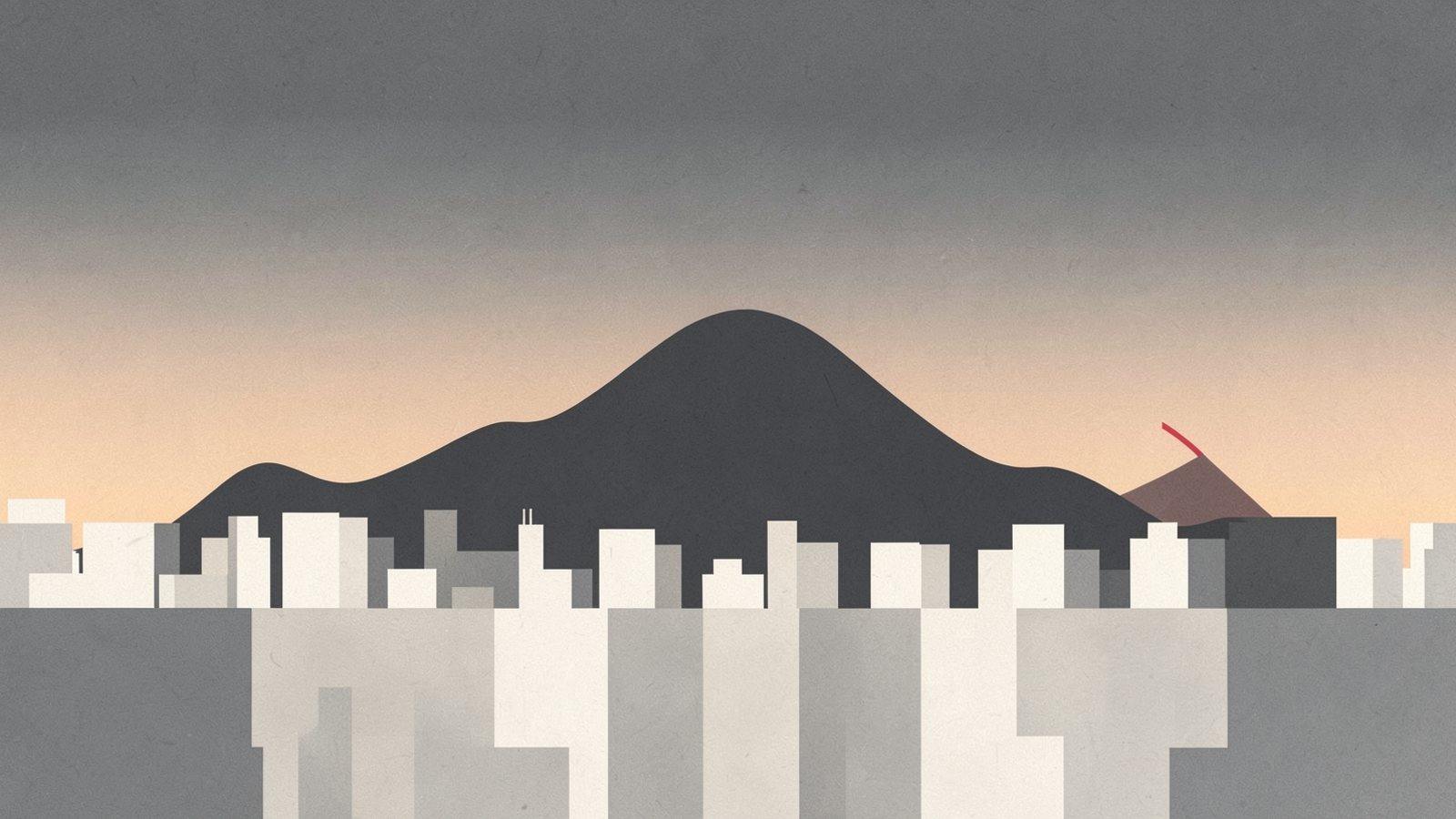
The foreign office has advised Britons on holiday or residing in Chile to keep a low profile and avoid areas of political activity and prominent public places, whilst General Pinochet remains under arrest in London.
Though, as with all warnings of this type, 'caution' is the watchword with the recommendation to avoid all 'non-essential travel'; this is the first time such a warning has been given in relation to South America since 1982 and the Falklands conflict. Britons in Buenos Aires were thought to be in a potentially threatened position when fighting broke out.
In Santiago, staff from the British embassy were hastily evacuated after a bomb scare yesterday. The embassy and British council had been under siege by Pinochet supporters furious at the surprise arrest of their hero on October 16.
The diplomatic corps have received little comfort from the local municipal authorities whose sympathies lie with the wealthy citizens on 'Avenido Appacando' - a wealthy suburb of the capital. They maintain the general's detainment is "an affront to their national dignity."
On the other side of the deepening political chasm, students fought running battles with police in the capital's centre amidst clouds of tear gas.
The Chilean president, Eduardo Frei (whose namesake father was Chile's president from 1964-70 and backed the coup of democratically-elected president Salvador Allende), has been touring army parades and has met regularly with Pinochet's successor - army chief, Ricardo Izurieta - appealing for calm in order to placate possible discontent.
The unstated question on everyone's lips in Chile is "Will there be another coup?"
The current conditions of social instability certainly seem to provide fertile ground for a restless military to emerge from their barracks, especially if the governing coalition collapses ahead of the election of November 2 1999.
The current favourite to succeed Frei for an eight-year term is the leftist, Ricardo Largos, who was banished during Pinochet's dictatorship.
Largos is a man acutely aware of the reality of compromise in today's Chile, evident when he commented this week that his country "is not ready to face a major human rights trial [because] the wounds have yet to heal and this would reopen them."
This statement contrasts sharply with his remarks made a decade ago upon his return from exile, when he explained: "the situation must be treated with the seriousness it requires … those who murder, torture, cut throats and who brazenly walk the streets at our side, not only dealing with those who must be brought to justice, but beyond that determining how a society could come to this."
Times have obviously changed when yesterday's outsider becomes tomorrow's pretender to the presidential palace.
Nevertheless, could a country so dominated by the might of military institutions - admittedly less overtly than before - witness a socialist President elect for the first time in a quarter of a century? Or to prevent this, will there blood on the streets of Santiago before Christmas?
Even at 83, Pinochet's presence looms large over Chile and what happens to him this week will inevitably decide this troubled nation's destiny as it tries to forget the nightmare years of the past.