


In a dramatic escalation of its efforts to counter mounting international legal challenges, the Israeli government has issued sanctions targeting 50 individuals, placing human rights defenders and legal professionals from the Hind Rajab Foundation (HRF) at the top of the list. Among those named are HRF Chairman Dyab Abou Jahjah, co-founders Karim Hassoun and Haroon Raza, and three lawyers who have worked on the foundation’s global litigation campaigns.
The move is widely viewed as retaliatory, following a series of landmark legal victories for HRF. Most notably, in May 2025, a Peruvian court opened a formal criminal investigation into an Israeli soldier for alleged war crimes committed in Gaza—marking the first time such proceedings have been initiated in the South American nation. The complaint, filed by HRF in collaboration with Peruvian human rights lawyer Julio César Arbizu González, triggered intense diplomatic fallout and set a precedent for broader accountability.
Global Legal Campaign Gains Momentum
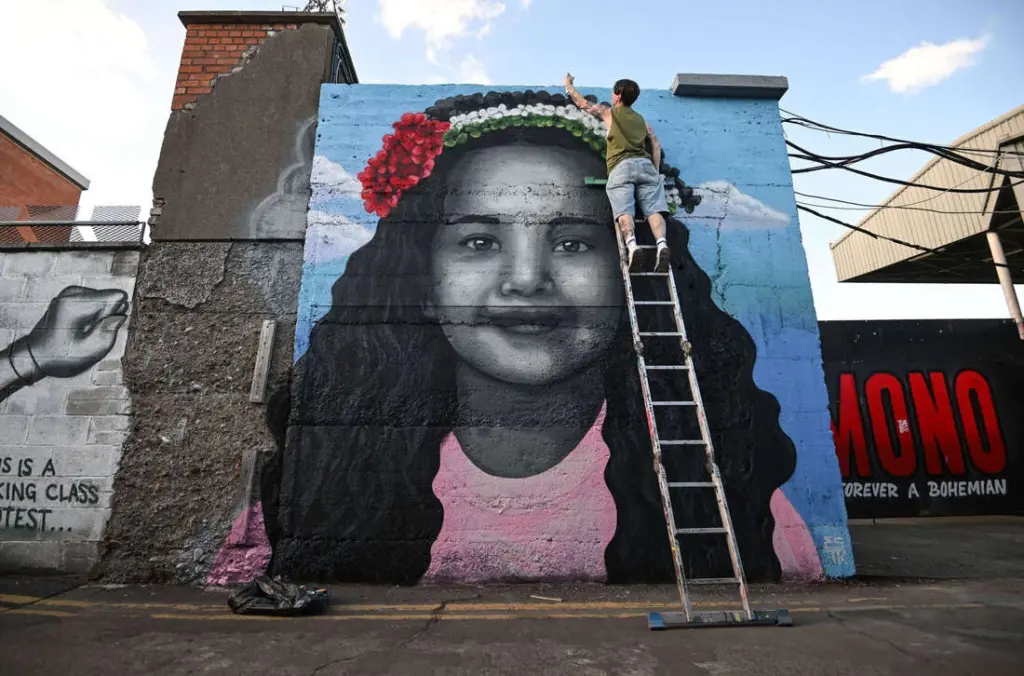
Founded in Brussels in 2024 and named after Hind Rajab, a five-year-old Palestinian girl killed by Israeli forces in Gaza, the HRF has rapidly become a central force in a sweeping international legal campaign targeting Israeli officials, commanders, and soldiers. The foundation reports that it is pursuing cases in over 40 countries, leveraging universal jurisdiction laws to file criminal complaints, arrest applications, and legal briefs against those accused of war crimes.
Recent filings span Latin America, Europe, and Asia, with legal actions initiated or under review in countries including Brazil, Argentina, Belgium, Italy, Nepal, Thailand, and the UK. In Brazil, the case of Israeli reservist Yuval Vagdani—who publicly shared footage of himself destroying civilian homes—prompted a near-arrest and a diplomatic scramble. Vagdani fled Brazil just before an arrest warrant was issued and was assisted by Israeli authorities in returning home, leading to reported new guidelines advising Israeli soldiers not to post evidence of operations online.
Reallocating State Funds to Protect the Accused
The financial implications for Israel are significant. According to Israeli media and government sources, the state has begun reallocating millions of shekels from its national budget to fund legal defense efforts for those under investigation abroad. This includes hiring legal teams, lobbying foreign governments, and coordinating diplomatic support in jurisdictions where Israeli officials have never previously faced prosecution.
While the 2025 state budget allocates over ₪110 billion for defense and security, an additional ₪1.64 billion is set aside for overseas diplomatic operations under the Ministry of Foreign Affairs (MFA). Though the MFA budget does not publicly itemize legal expenditures, observers believe it likely covers legal defenses as well as strategic messaging efforts abroad.
An instructive reference from 2016 offers historical precedent. During a Knesset oversight session on strategic communications, MFA officials admitted to spending “tens of millions” of shekels on international campaigns to counter the BDS movement. These campaigns, which encompassed legal, academic, and media operations, were funded under general “strategic communications and Hasbara” budgets, with no public disclosure of how resources were divided between propaganda and legal defense.
This long-standing opacity in budgetary transparency has raised concerns that current efforts to fight HRF-led legal cases and discredit the foundation are being conducted under similar discretionary categories—hidden from public scrutiny but clearly aligned with state priorities.
Anticipated Hasbara Campaign
The HRF has warned of an imminent Hasbara (propaganda) campaign by Israeli state and affiliated actors aimed at delegitimizing the foundation, creating public confusion, and undermining its credibility in the eyes of potential judicial partners around the world.
“This is just the beginning,” an HRF spokesperson said. “We expect a coordinated global campaign to smear our leadership, distract from the substance of our cases, and intimidate partners and witnesses. But we will not be intimidated. We will not be divided.”
These threats are not merely rhetorical. On January 6, 2025, Israel’s Minister for Diaspora Affairs and the Fight Against Antisemitism, Amichai Chikli, posted a thinly veiled threat on social media to HRF Chairman Abou Jahjah, stating: “Hello to our human rights activist. Watch your pager.”
The message referred to the September 2024 Israeli pager bombings in Lebanon that killed 12 people—including two children and two healthcare workers—and injured nearly 3,000. United Nations human rights experts have stated the attack may constitute war crimes.
Abou Jahjah, a Belgian citizen, responded by filing a criminal complaint against Chikli in Belgium. In a landmark decision, Belgian authorities refused to grant Chikli diplomatic immunity, warning that he could face arrest if he enters the country. The move sent a clear message that even senior Israeli officials may no longer be shielded from accountability under international law.
A Threat to Impunity
The escalation of legal filings—and the increasingly aggressive Israeli response—signals a turning point in the decades-long struggle for justice for Palestinian victims. While political institutions have long failed to hold Israel accountable, legal mechanisms are now beginning to take effect.
“The legal system is beginning to do what politics has failed to: hold power to account,” the HRF said in a public statement. “It is now unmistakably clear who Israel sees as a serious threat to its impunity—and who it seeks to silence.”
As Israel scrambles to defend its military and political elite, HRF remains steadfast in its mission. Every courtroom appearance and every filed case, the organization argues, brings the world one step closer to long-denied justice for the Palestinian people.